The Beast Inside
Written by Rory Chapman
Genre
The Beast Inside is a low budget, high concept, British arthouse, cult horror movie.
Logline
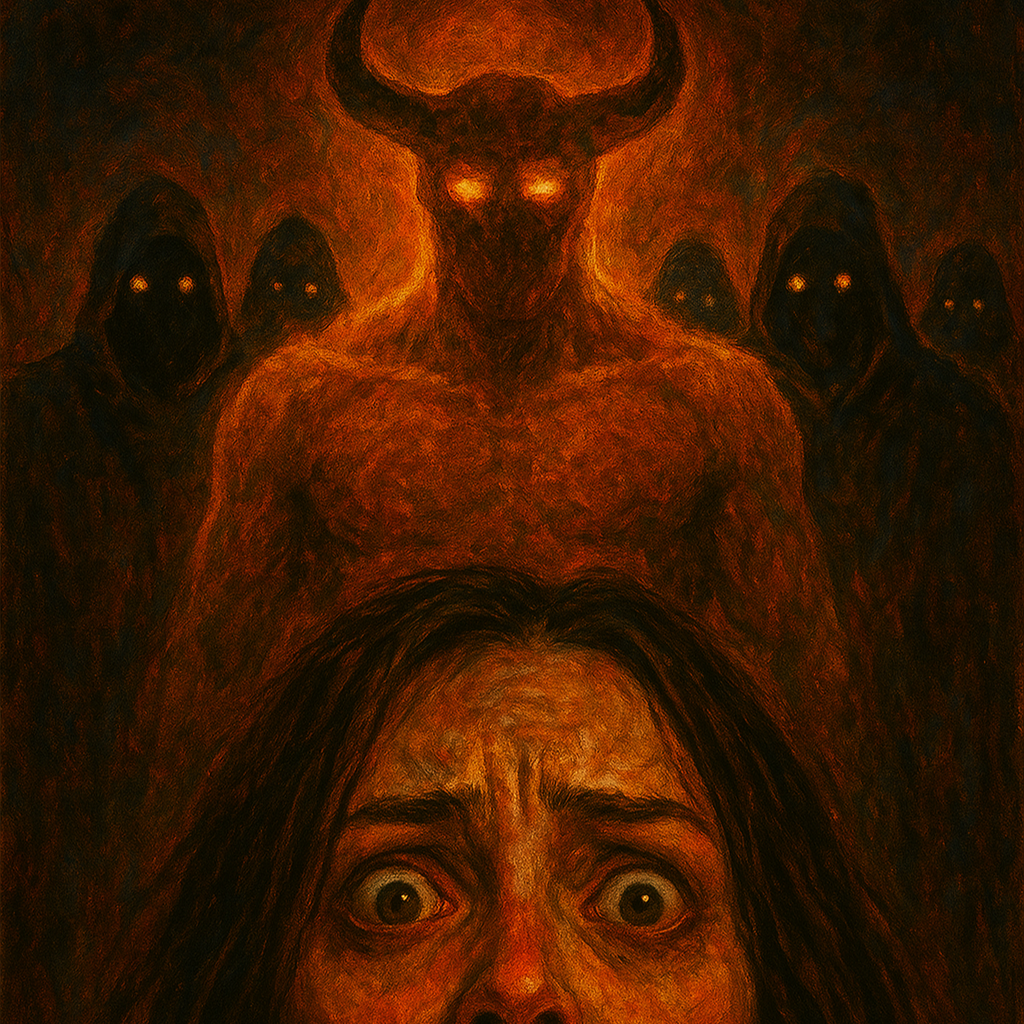
Daisy tries to save her best friend and her own life while escaping a crime family, a cult, and a horned demon hell bent on making her its slave.
Themes
On the surface…
The Beast Inside is about accepting your flaws and finding your strength by embracing what media deems as ugly or unappealing. The Beast Inside pushes back against perfectionist ideals and unrealistic beauty standards. Daisy’s transformation reflects this by seeing her embrace what she’s been taught to despise, and that scars and larger waist sizes are as beautiful as smooth and skinny.
Under the surface…
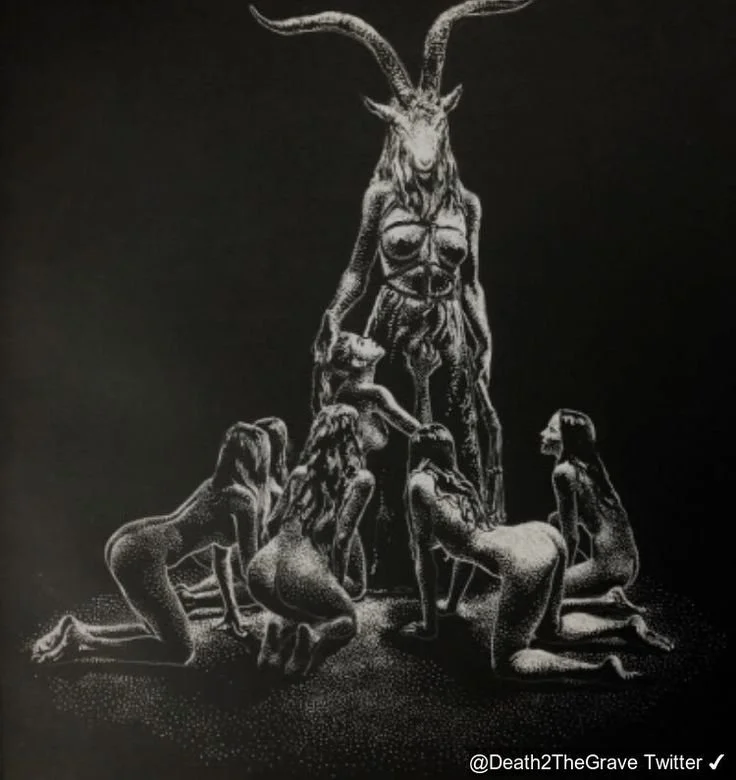
The Beast Inside has deeper themes as a cautionary tale about desire and ego. It’s about how obsession can corrupt and how easily we can be seduced by our endless desires, how they can so readily be turned against us. The Beast inside isn’t about a demon, it’s about a system that creates them.
Why make the Beast Inside?
By the time the credits roll, The Beast Inside will have delivered something that cuts deeper than most survival horror films. It’s brutal, blood-soaked, and will be packed with the kind of imagery that lingers long after the lights come back on, but beneath the carnage, it’s a story about a woman refusing to be sculpted by a system that feeds on suffering.
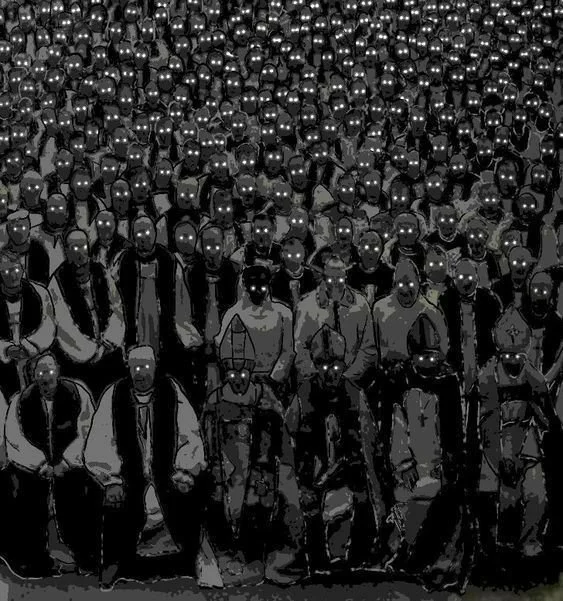
Daisy’s not your typical “Final Girl”. She doesn’t win by staying pure, or by magically being saved at the last second. Instead, she drags herself through hell and comes out scarred, one-eyed, and still standing. The film makes her trauma visible. It refuses to let us, or Daisy, look away from it. Where Scarlet gives herself over to shallow beauty, and Evaline to cultish devotion, all in the search for perfection, Daisy becomes powerful precisely because she won’t surrender to the fantasy of being “perfect”.
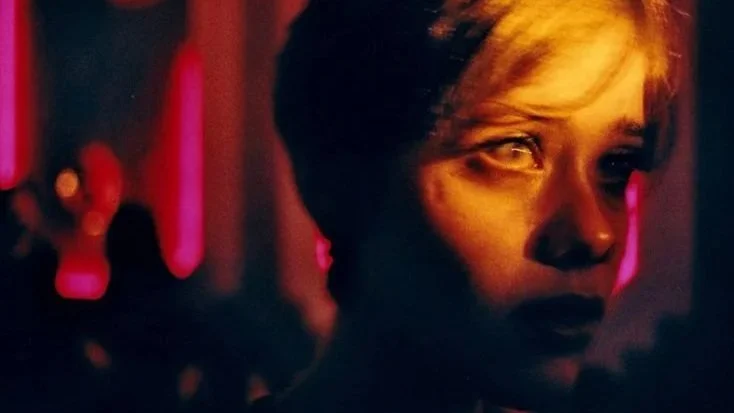
Her scars, like forked lightning and melted wax, stop being symbols of shame and become marks of survival. Horror fans will recognise the subversion of this choice: it flips the genre’s obsession with purity and perfection on its head. The monster isn’t Daisy, and it isn’t even really the Beast, it’s an ideology, a system that demands she hide what makes her human.
What The Beast Inside leaves us with isn’t triumph in the classic sense. It’s something raw, more honest. Survival here isn’t clean or pretty. It’s messy, painful, and real, and that’s exactly what makes Daisy unforgettable and The Beast inside a future cult classic.
Execution
The execution of The Beast Inside brings the films runtime to around 95-100 minutes. Use of heavily stylistic camera placement and movement combined with a performance direction focused on the space between the dialogue will take the action heavy script of The Beast Inside and transform it into an emotional, stylistic, moody rollercoaster.
Every facet, from visuals, performances, sound, music and more is a meticulously thought-out design element that reflects and enhances the themes.
Visual Aesthetics
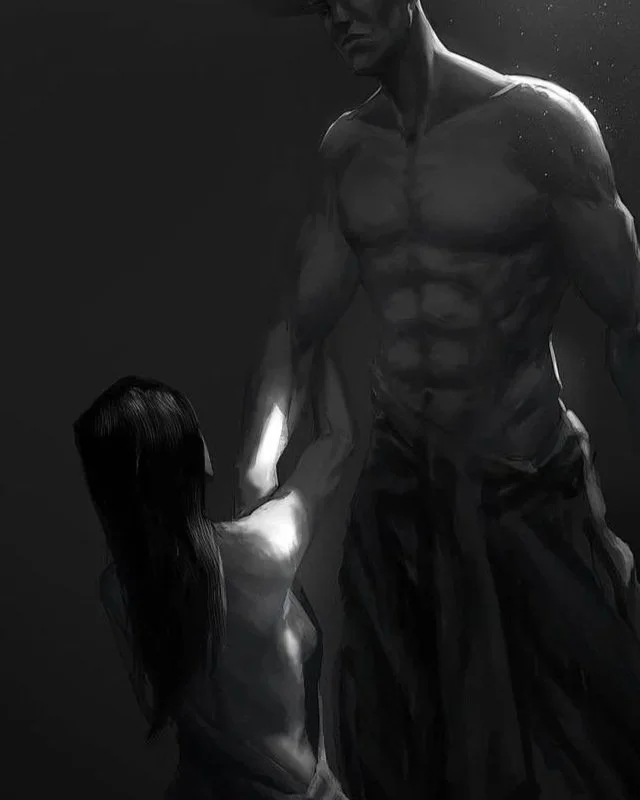
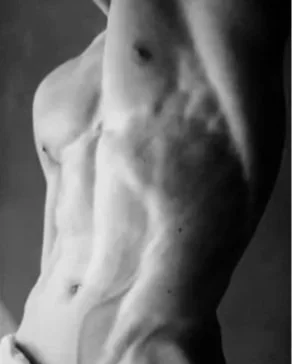
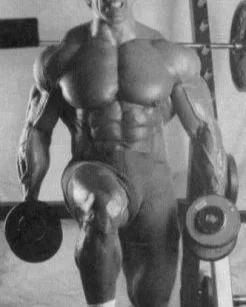
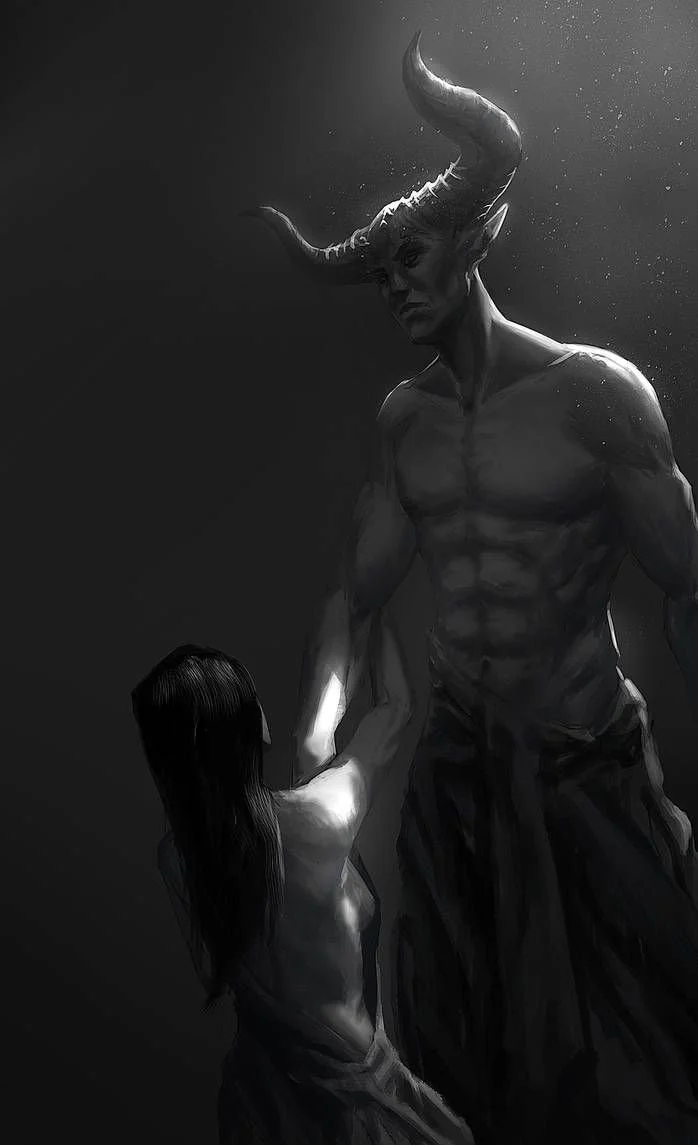
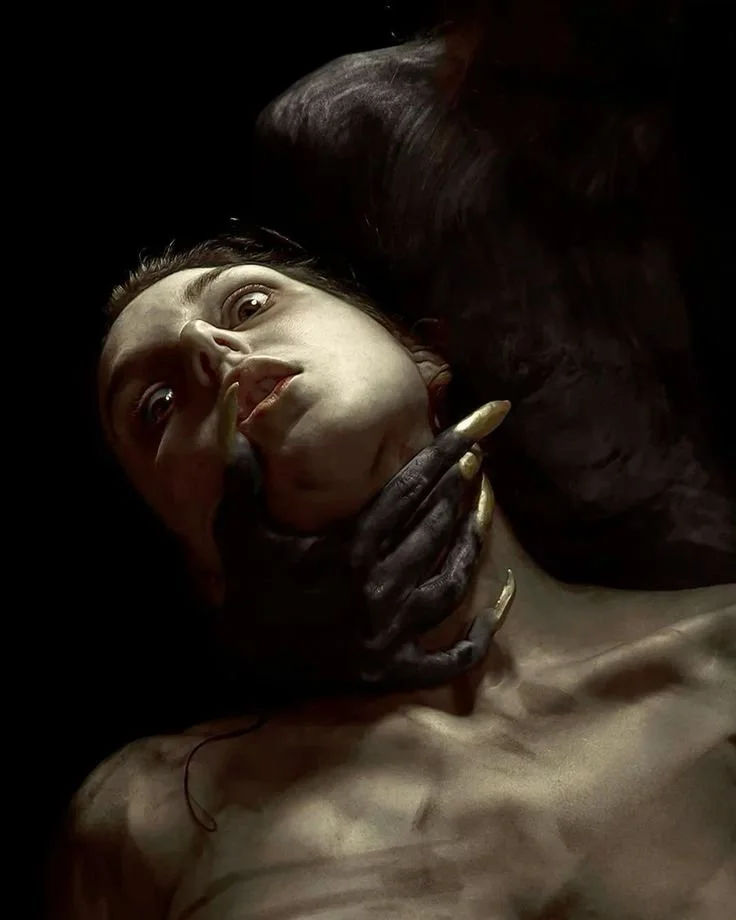
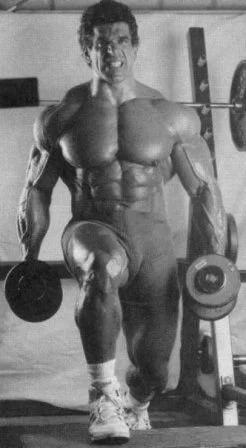
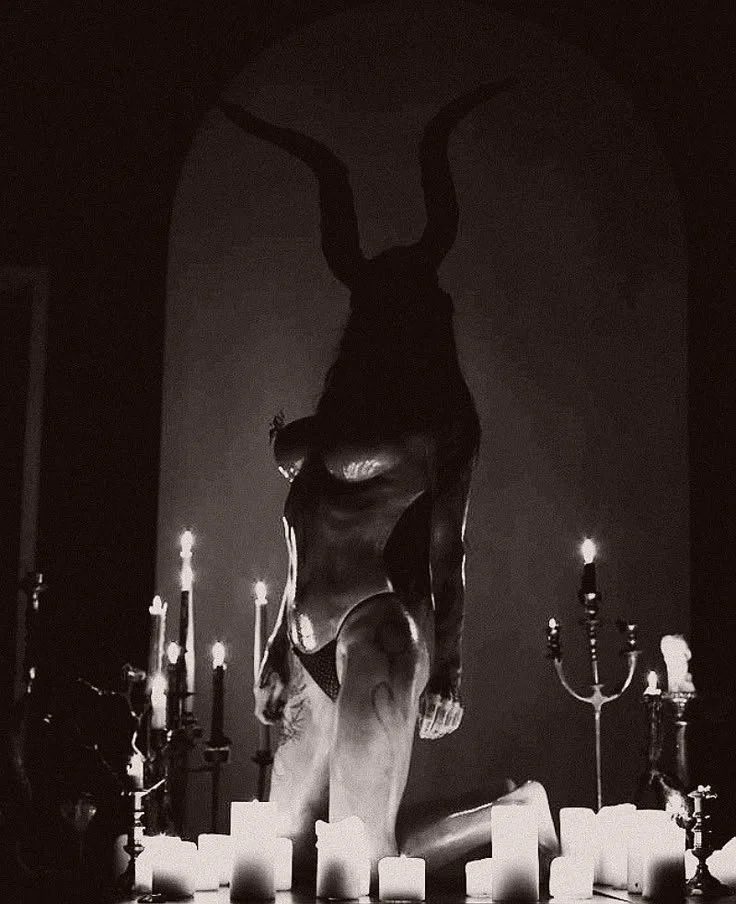
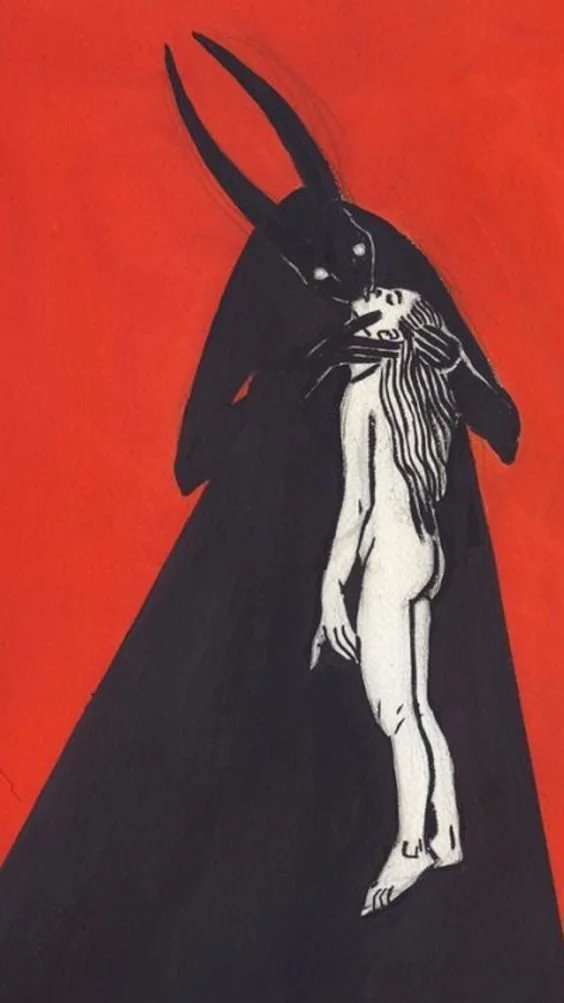
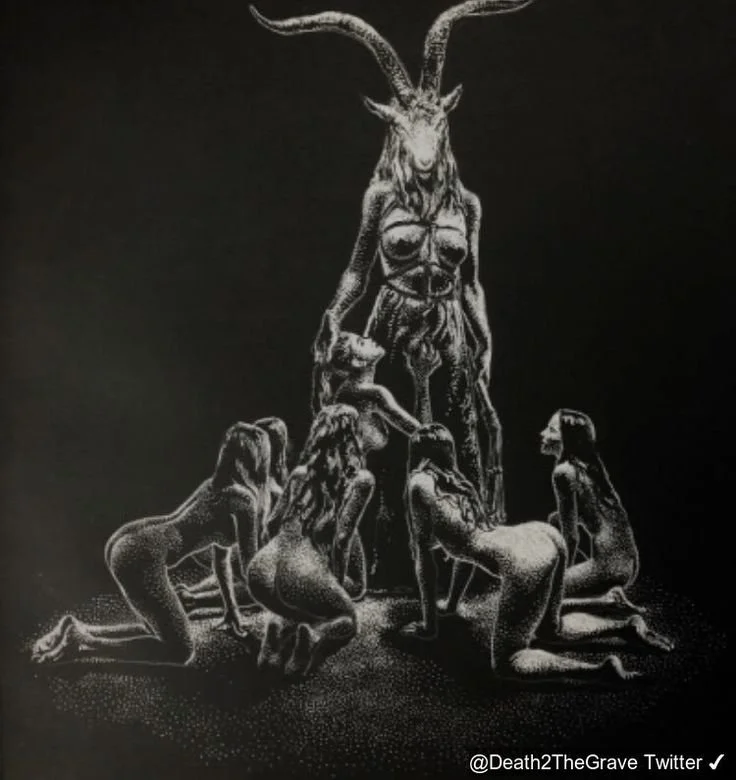
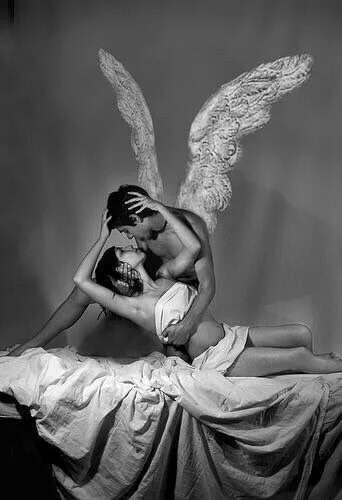
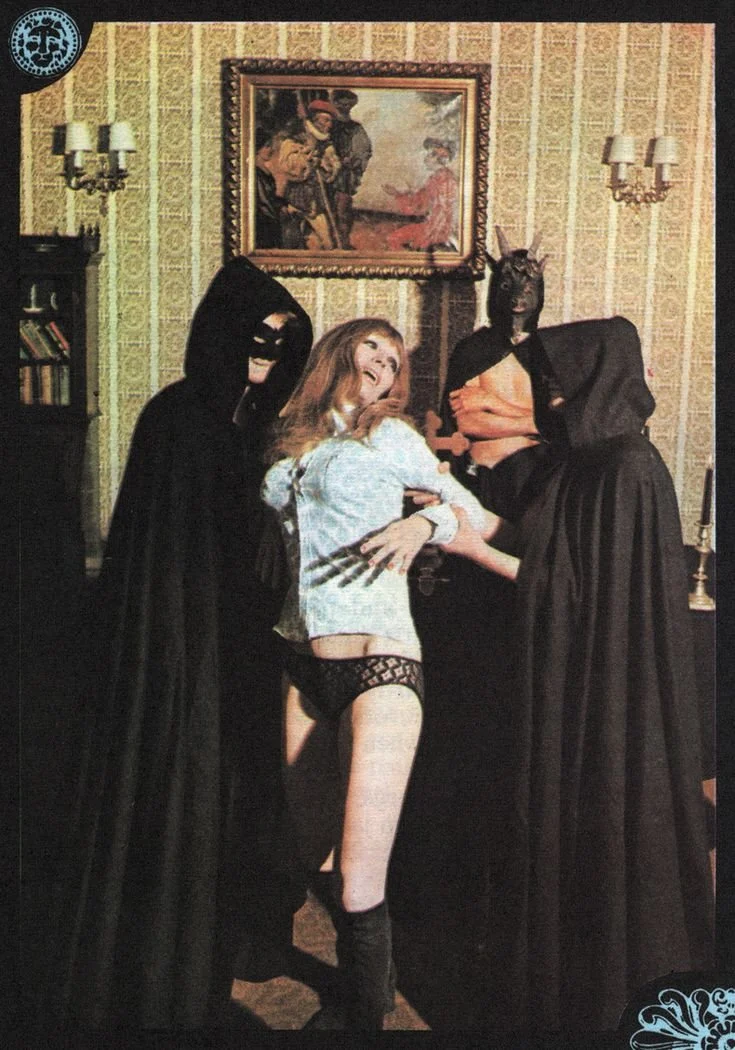
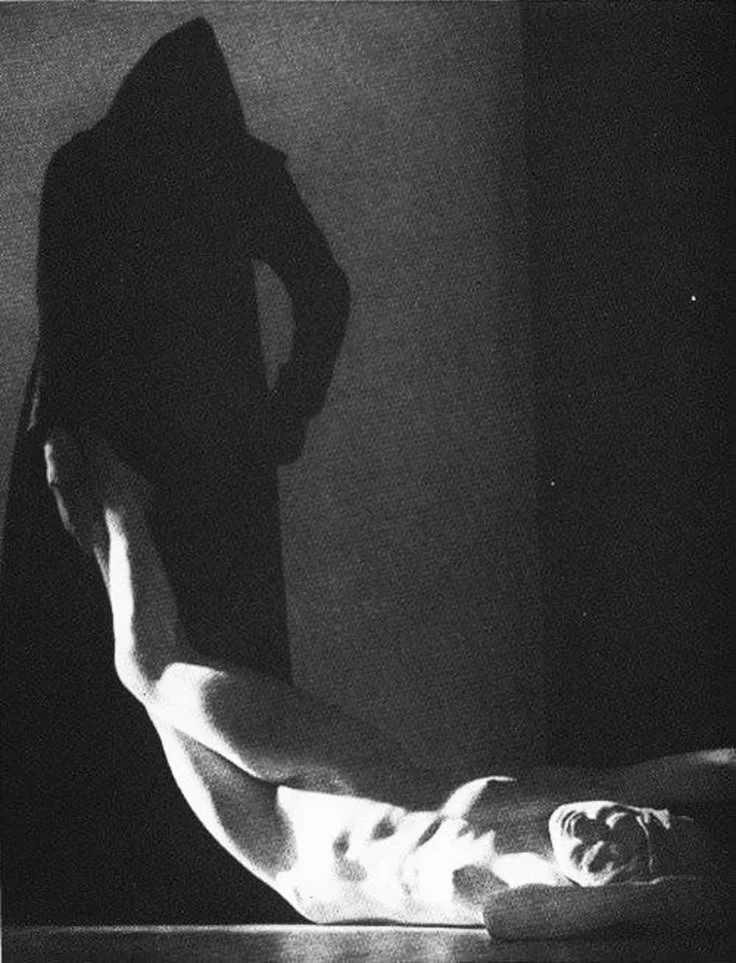
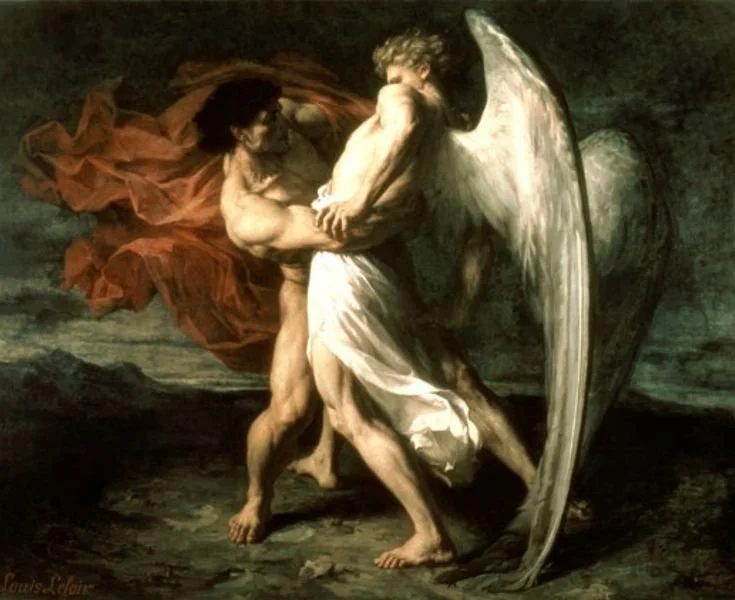
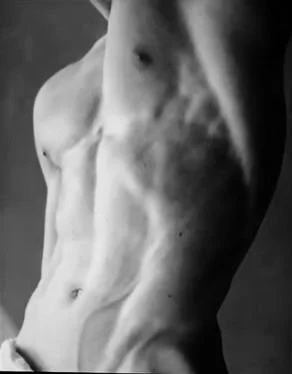
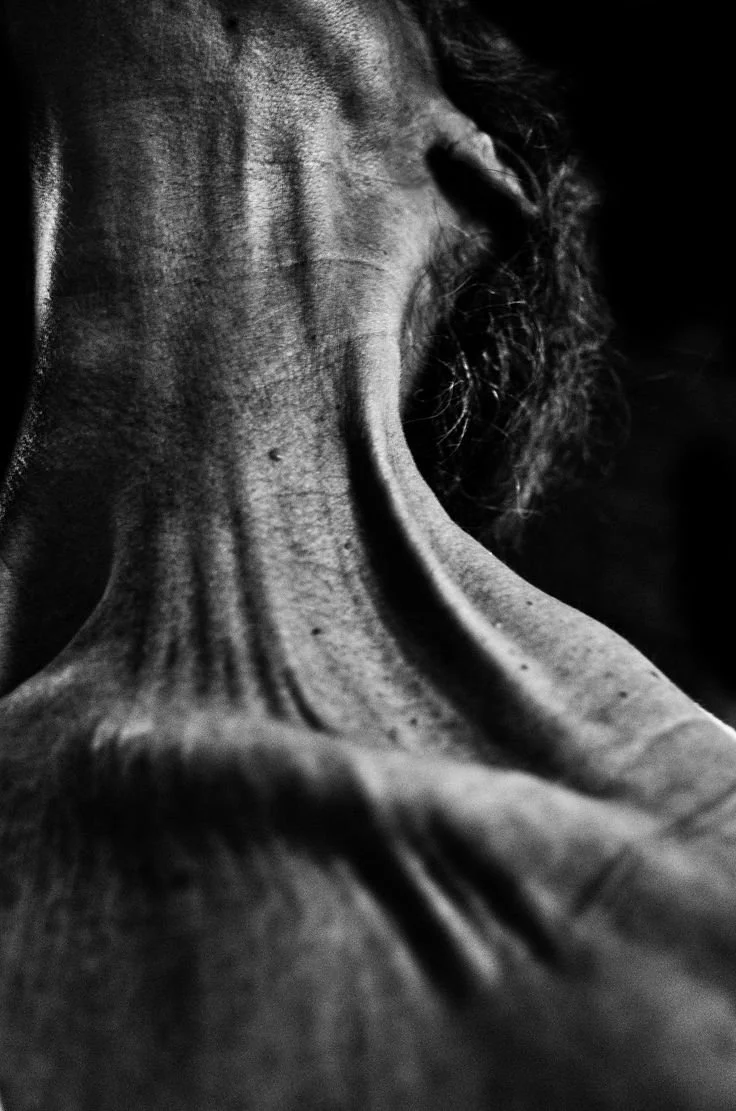
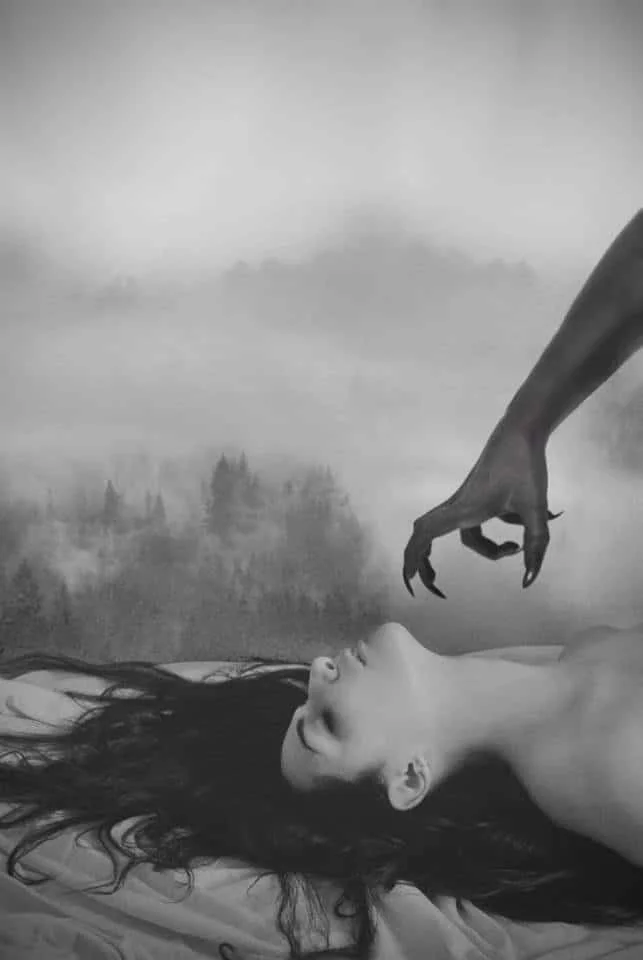
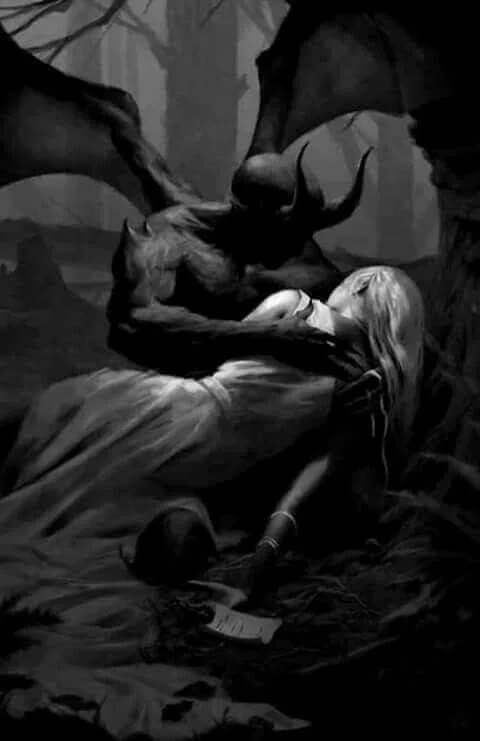
The Beast represented as the ultimate object of desire. Shots that linger on its musculature and physical features, combined with slow drifts across its body and contours. These images overlayed and intercut with other characters to represent The Beast’s manipulation of their desires.
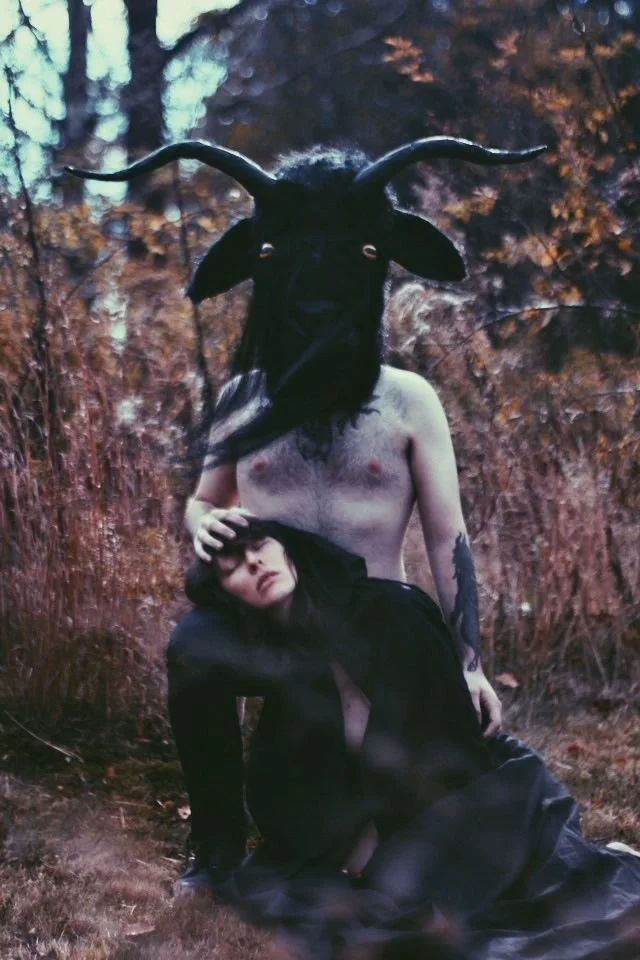
The Beast never shown in full form, only pieces and short glimpses, similar to the original Alien or Jaws. If and when The Beast is in full form, the radiating light obscures its form.
The Beast wears no clothing. It is raw physical form, the so-called peak of bodily perfection and self-improvement.
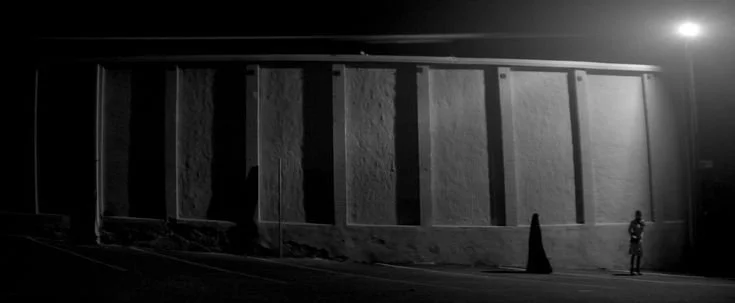
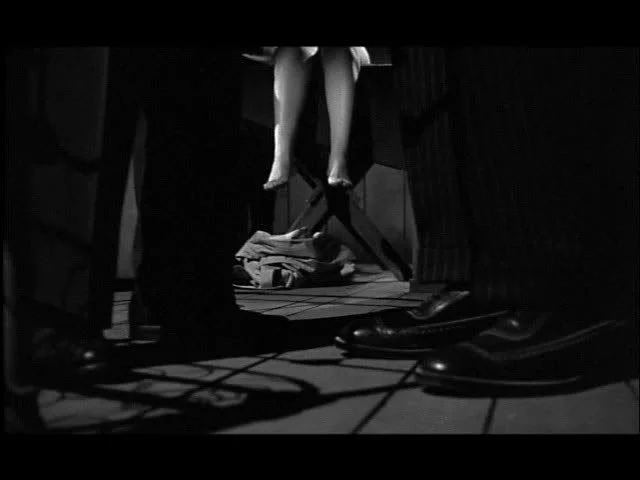
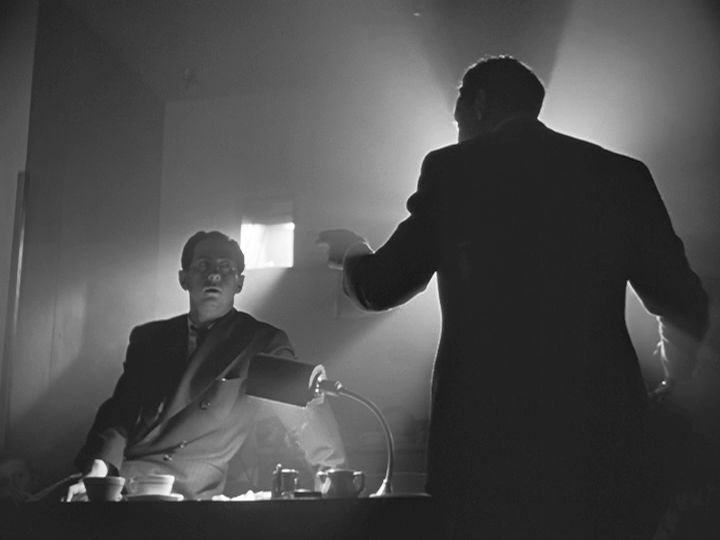
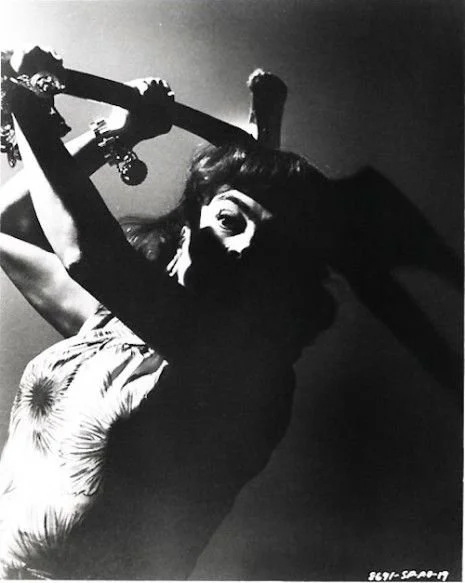
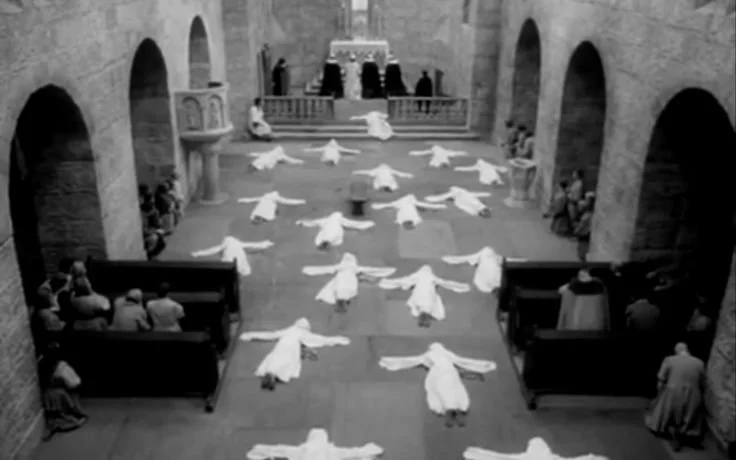
Unconventional camera placement. Ultra-low angles, overheads, extreme close ups as standard use and in place of typical shot-reverse-shot methods.
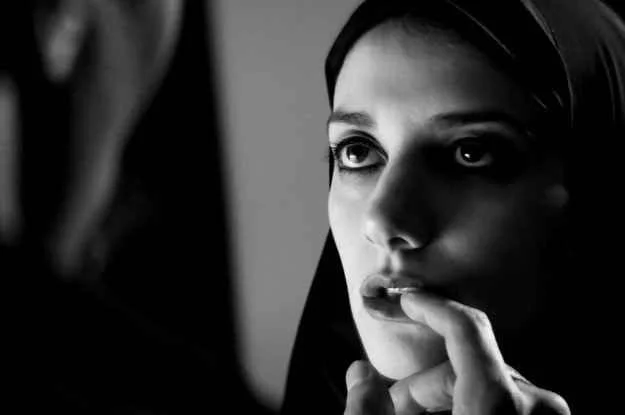
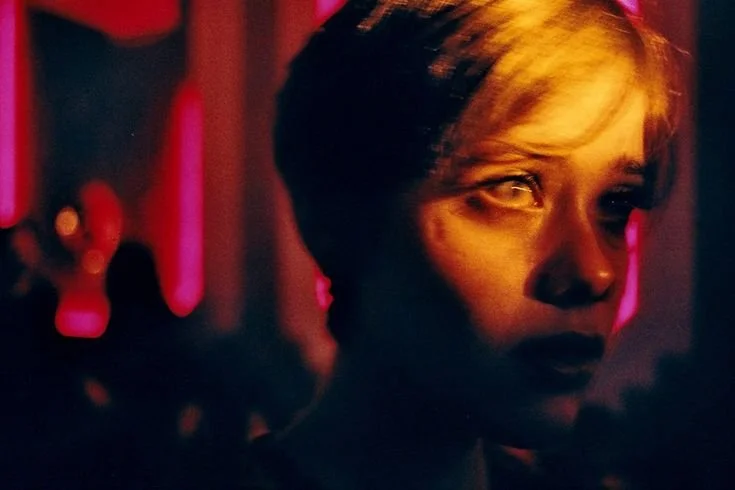
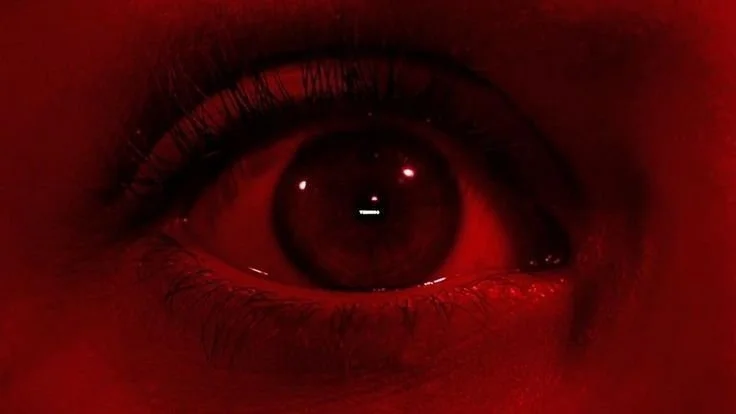
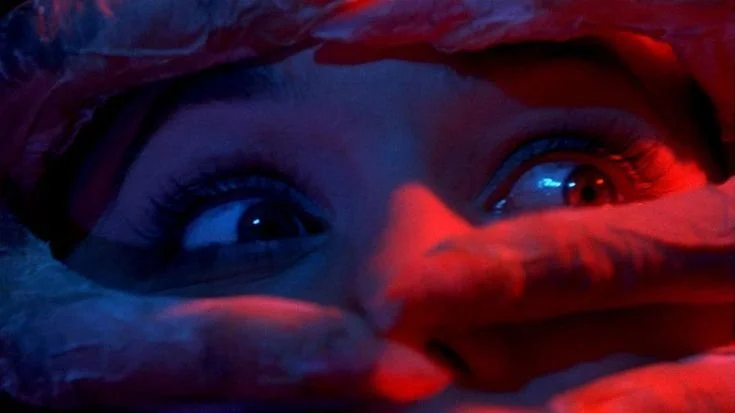
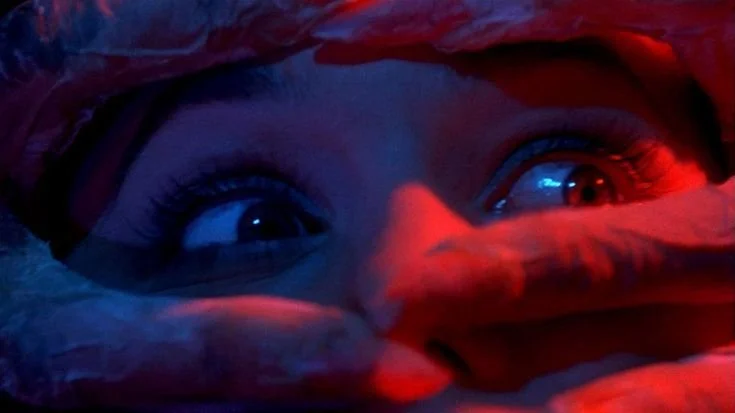
Female eyes feature as heavily as The Beast’s physical form, reinforcing the desire in seeing.
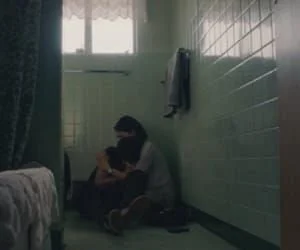
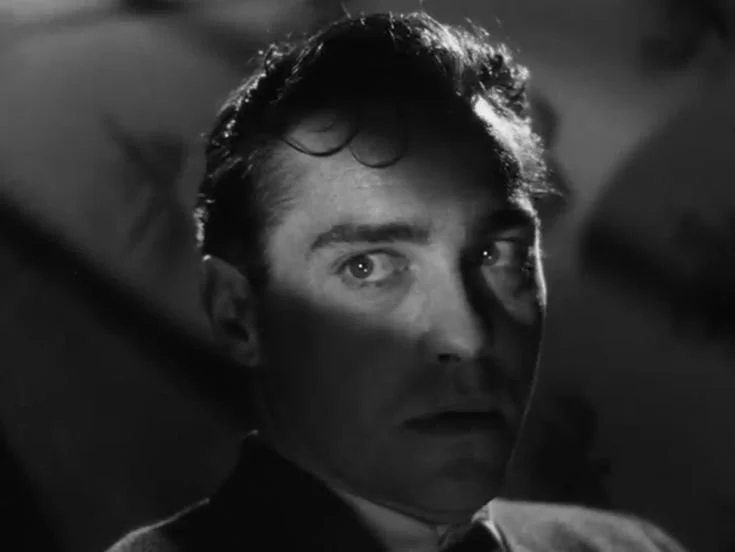
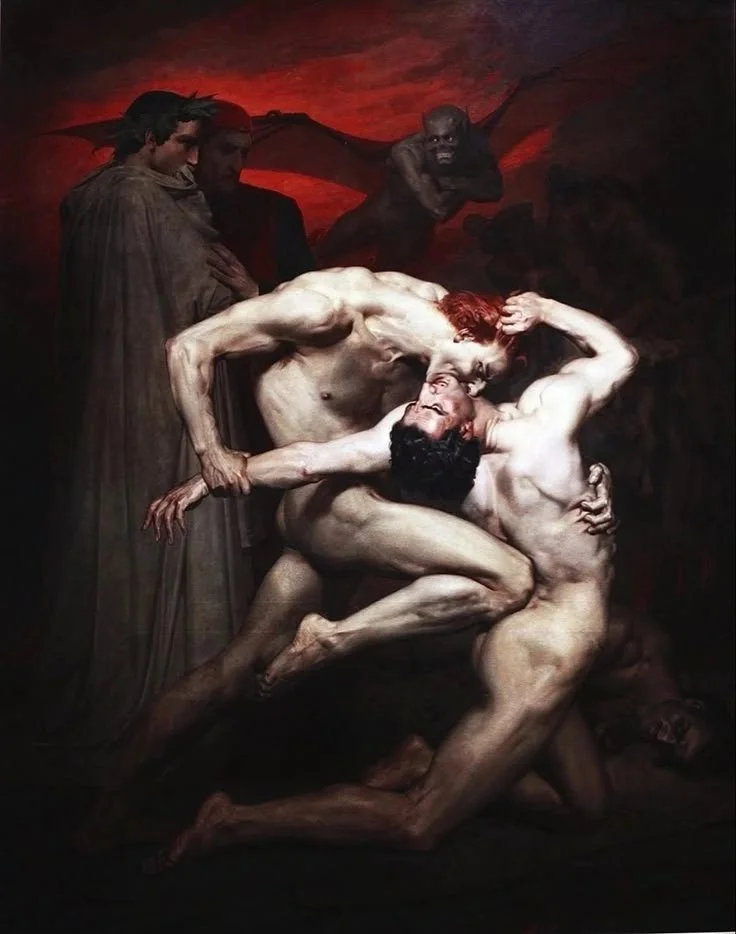
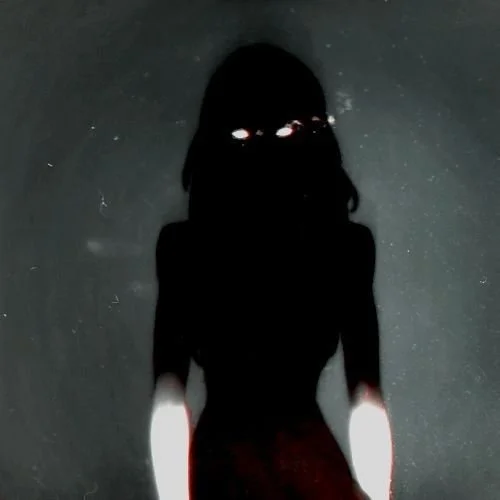
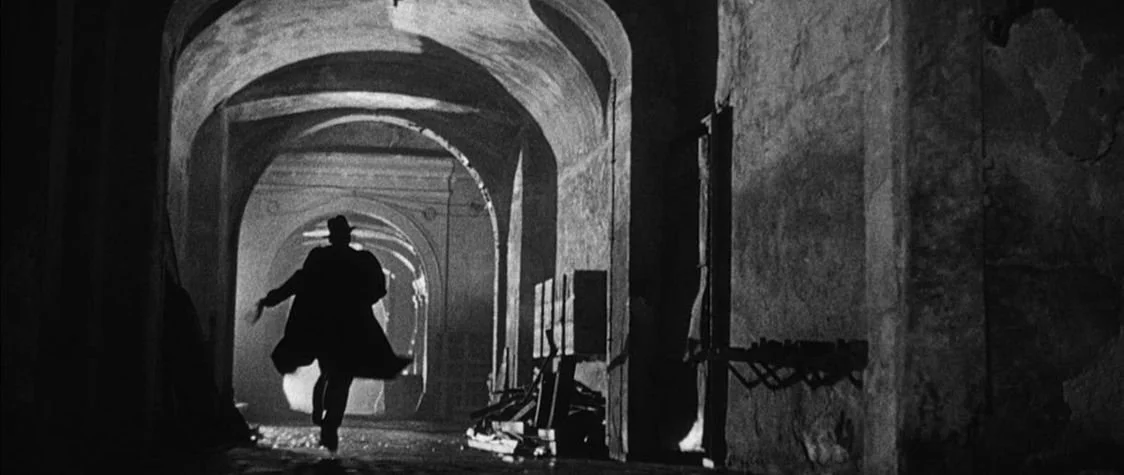
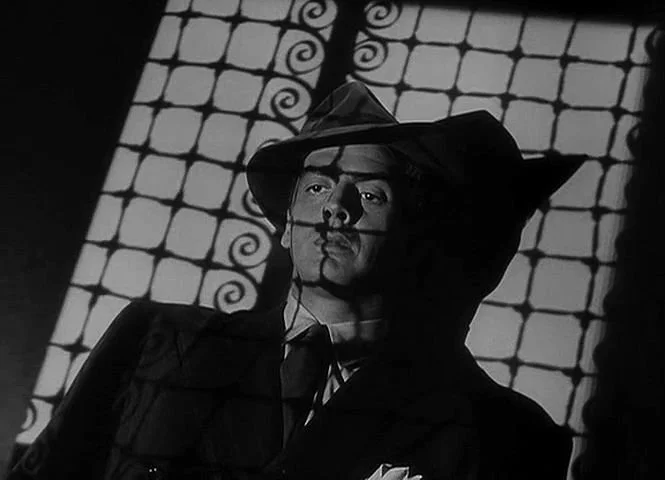
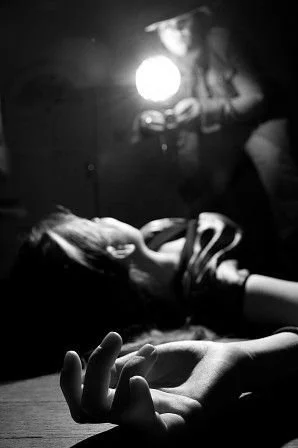
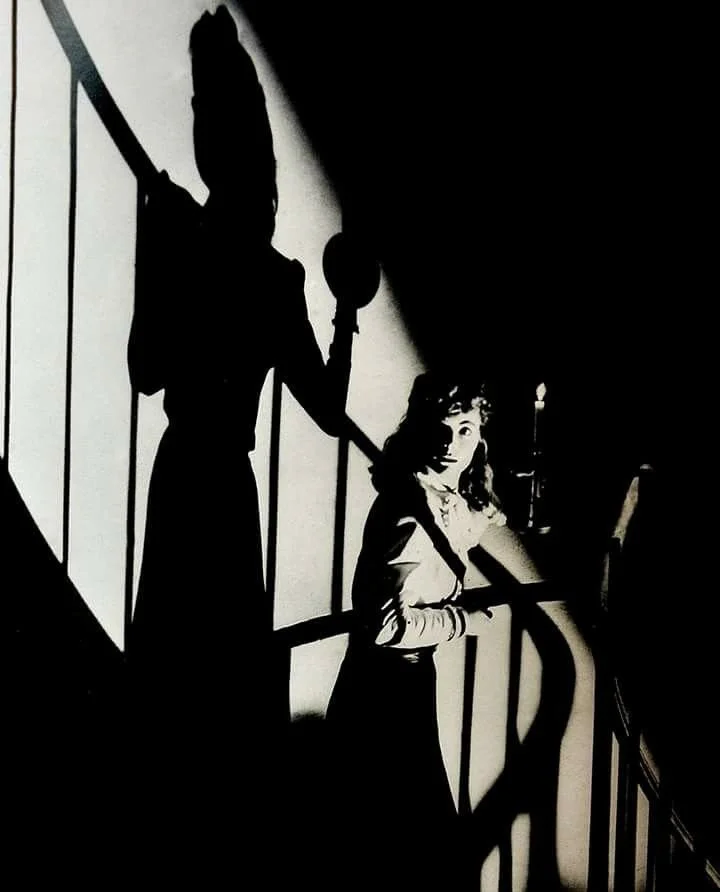
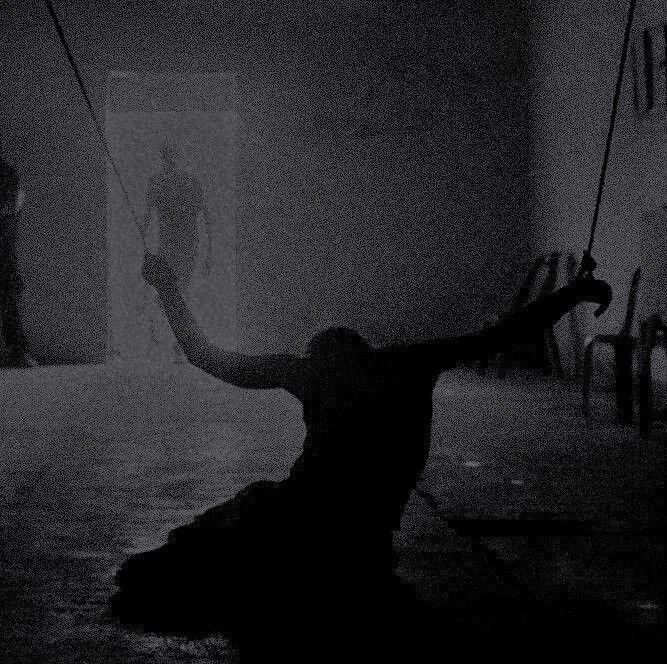
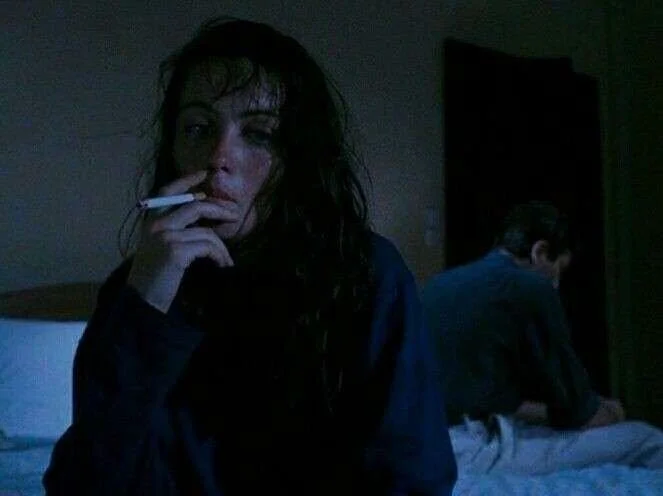
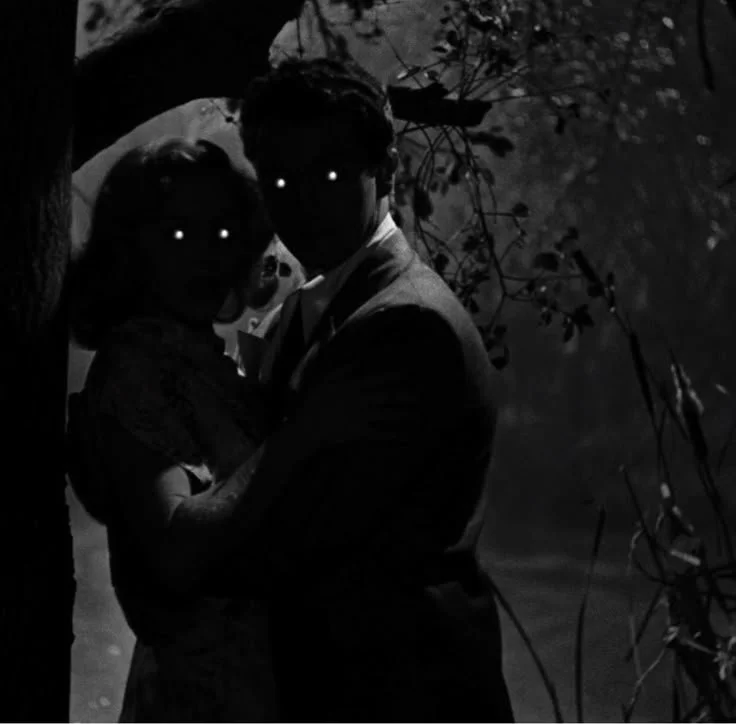
Low key lighting, adopting a noir aesthetic that lights space rather than character, emphasising shadows and darkness.
Sonic Experience
The musical soundtrack comprised of one single piece of music; Ligeti’s Requiem III Dies irae (below)
The chaotic and broken structure of the musical piece perfectly serves as a sonic expression of the visual style of the film, both in its complexity and in the variety of its emotional tone.
Various segments and samples of this classical piece are used throughout The Beast Inside. Small pieces to emphasise the title cards, longer segments to set the tone during sequences, and calmer and subtler pieces to score the film’s quieter moments.
Attached
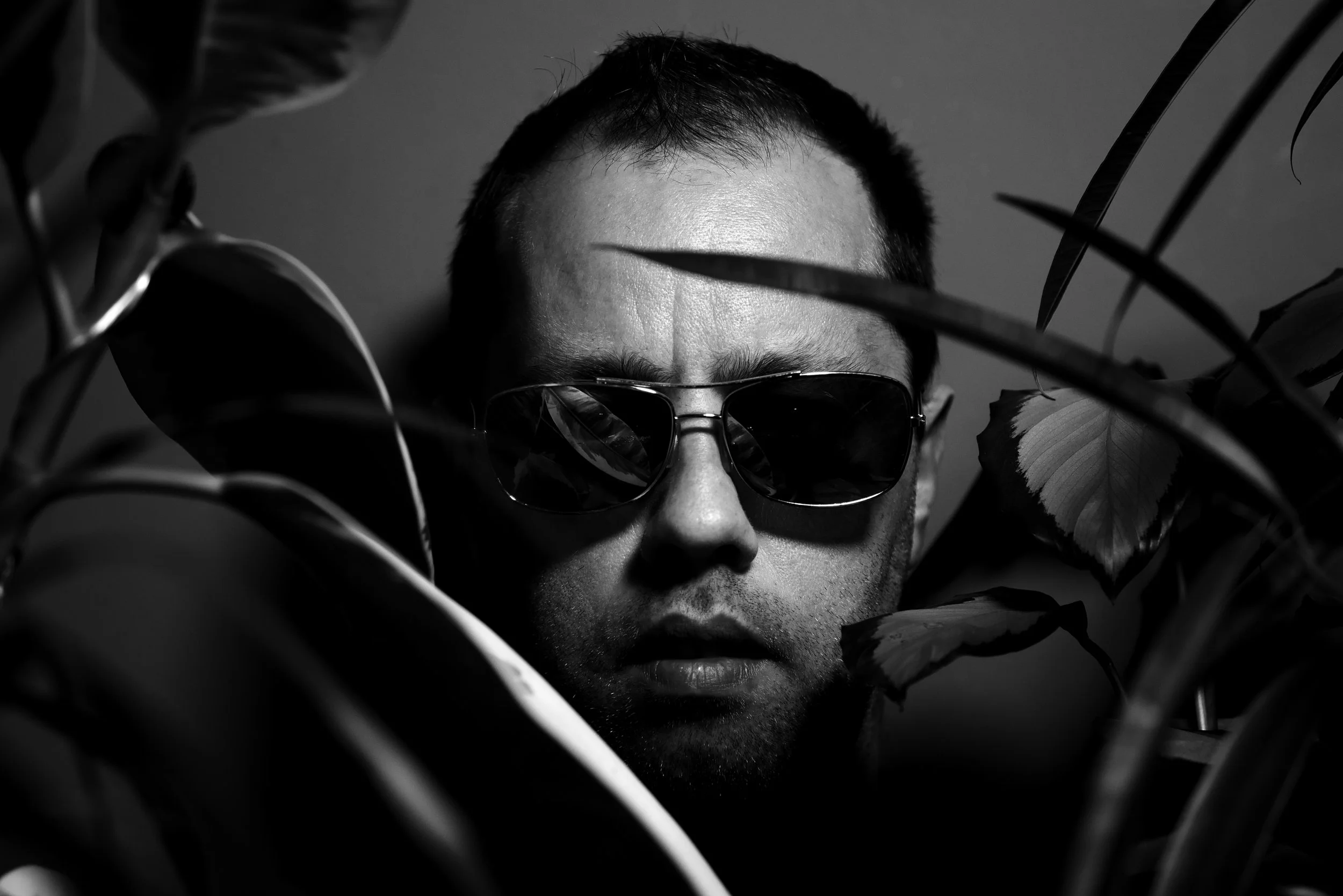
Writer/Director
Rory Chapman
Rory Chapman is a writer and director with a flair for blending style and substance. His passion for cult and world cinema enables him to craft thematically rich stories wrapped up in visual design born from a multitude of influences from all over the world.
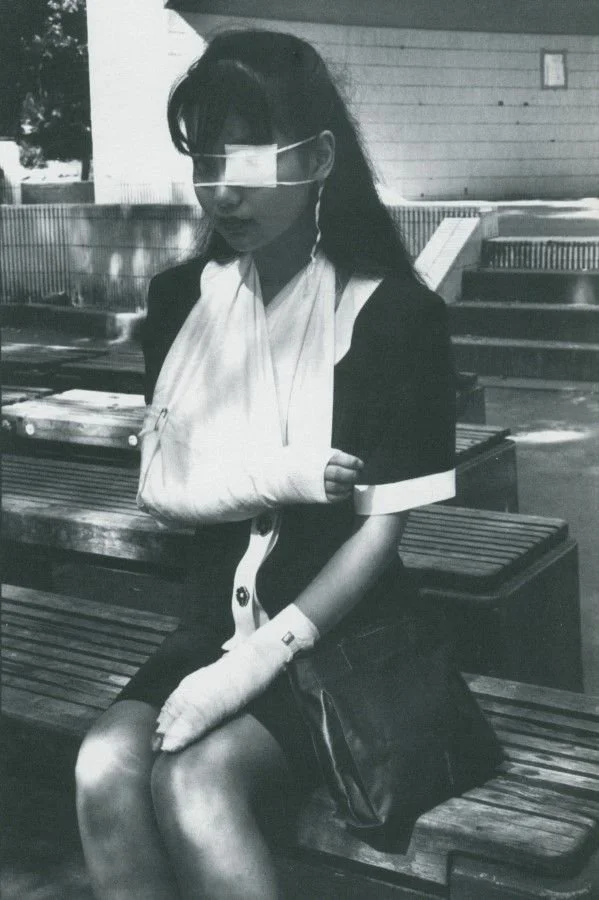
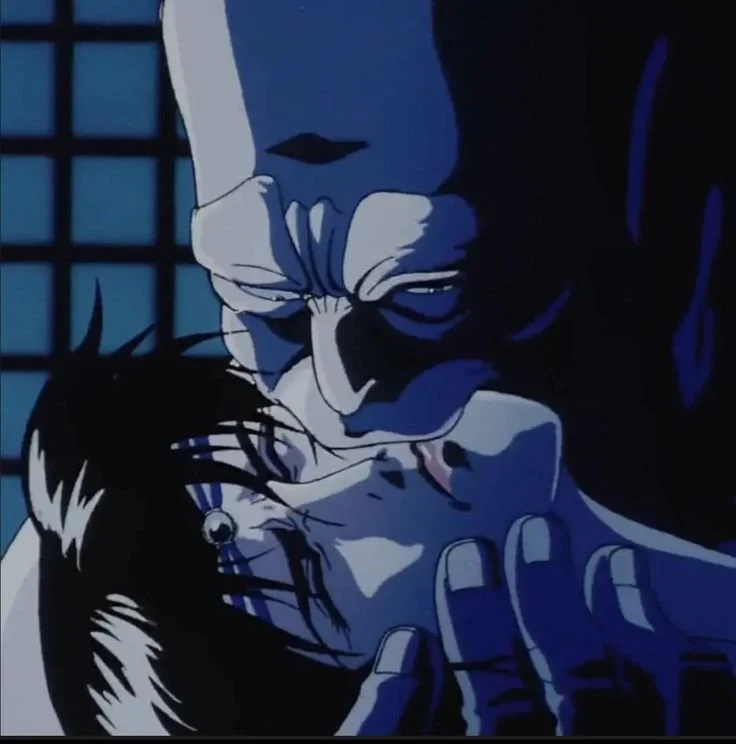
Rory’s vision for The Beast Inside takes a small monster movie horror to a whole other level, infusing it with elements of German expressionism and Japanese post war cinema.
Why Rory Chapman?
“The truth is I want to create something for the people that suffer from low self esteem and poor body image. I often work with young people, and I see so much toxic influence on them from social media and their peers that it all too often leads to depression, eating disorders, and anxiety. Now that my daughter is in her teen years, I see the same thing happening again. I want to create something to fight that, and film is the only language I’m fluent in. It’s the only thing I feel i can do, make movies.”
- Rory Chapman
Cinematographer
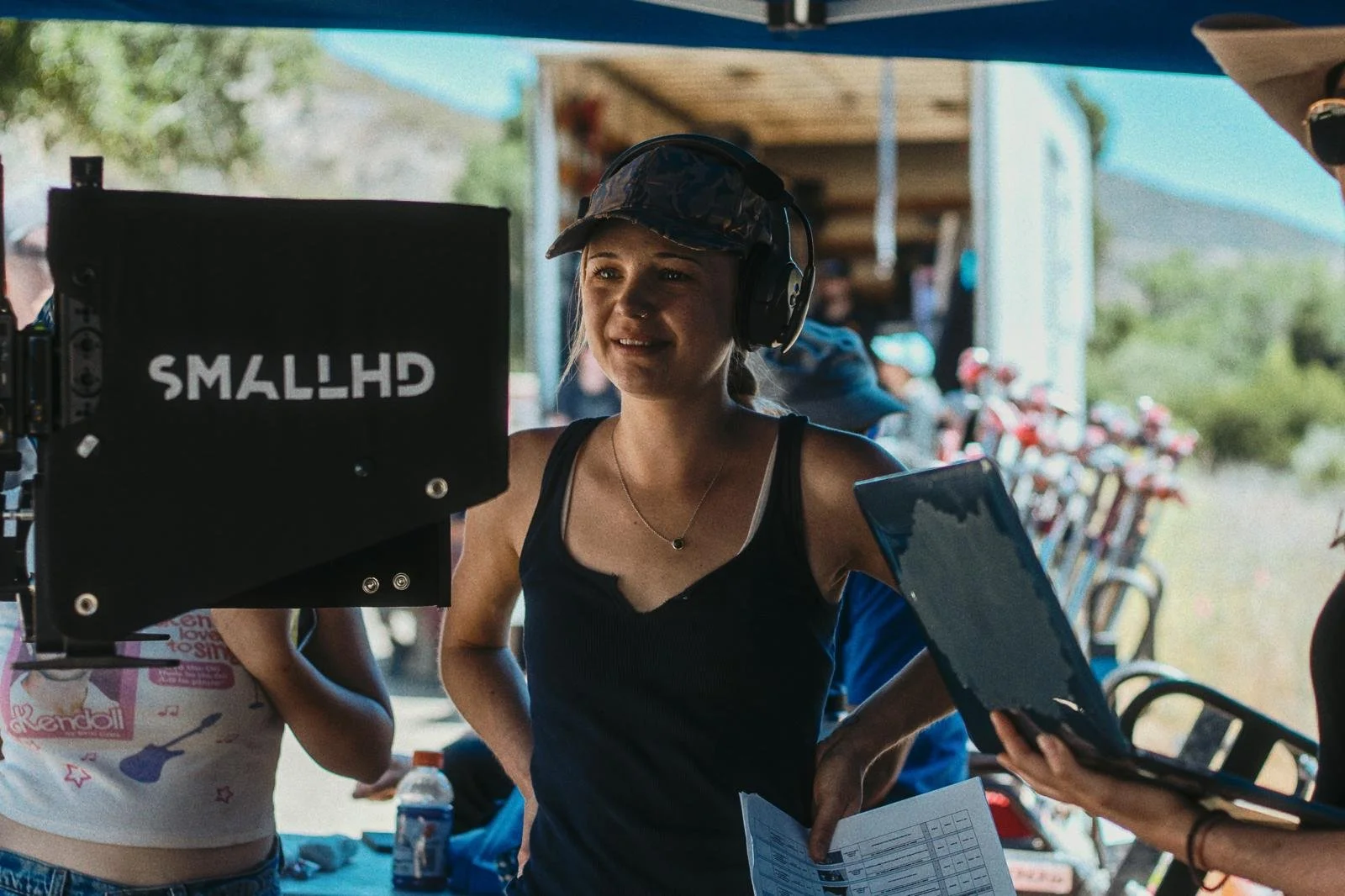
Willow Bidwell
Willow Bidwell returned from the United States in 2025 after completing her degree in cinematography with the AFI (American Film Institute) and was instantly in high demand. Now represented by Vision Artists in London, Willow’s intuition for artistic and emotional imagery and her command of camera and lighting makes her an incredible cinematographer. Willow has worked with Rory before where her work earned her multiple awards, and they developed a professional relationship that allows the two of them to produce their best work.
Willow Bidwell is the ideal choice for The Beast Inside, not only because of her and Rory’s established relationship, but her brand of cinematography will bring a lot of emotionality to the table, which will elevate The Beast Inside to something far more than just a horror.
Characters
Daisy

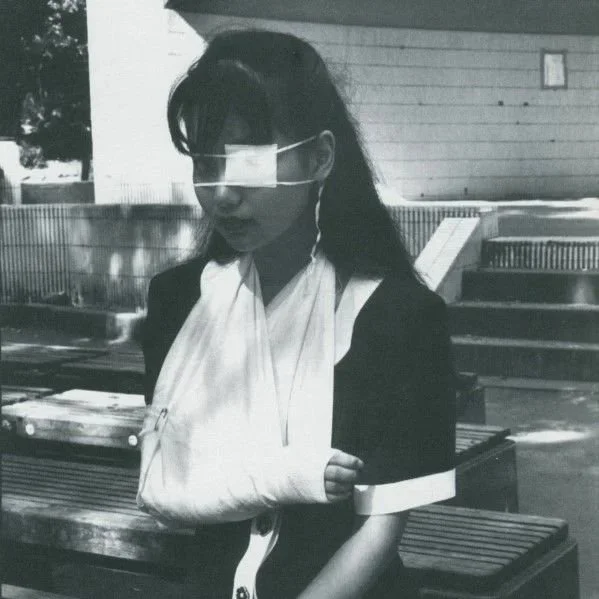

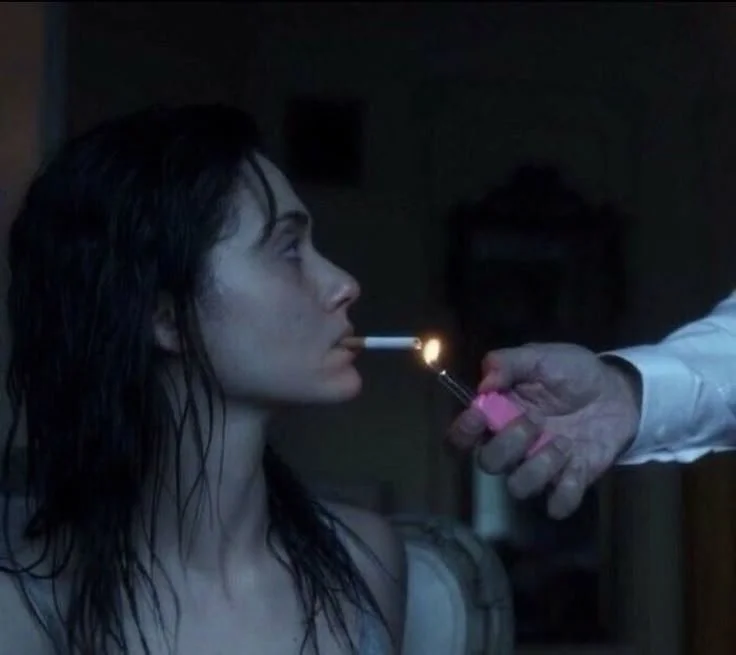
The lead protagonist of The Beast Inside and the sole perspective of the film. Daisy is an addict. Broken, abused, scarred and hates her own body to the point of anxiety and little to no self-respect. We first meet her at one of her lowest, most unflattering moments after she’s just gotten so high that she can’t even protect herself from one of her abusers. As the story progresses, Daisy becomes powerful and confident. She experiences a journey of self-discovery and acceptance, realising that what she’s always thought of and been told are flaws, are actually the things that give her individuality, and she learns to be proud of who she is, inside and out.
Abby
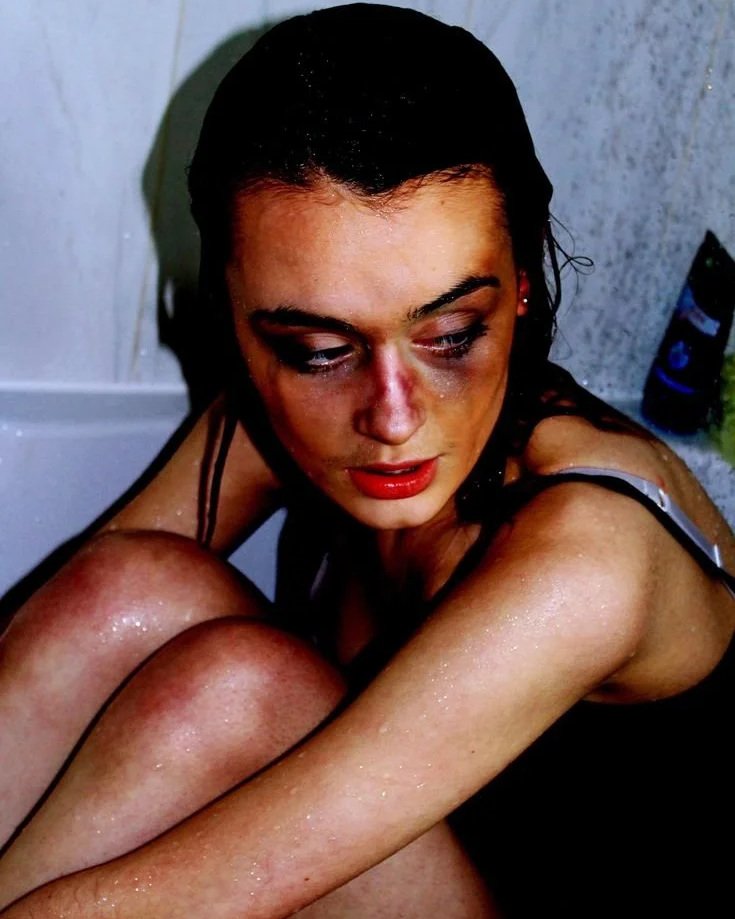
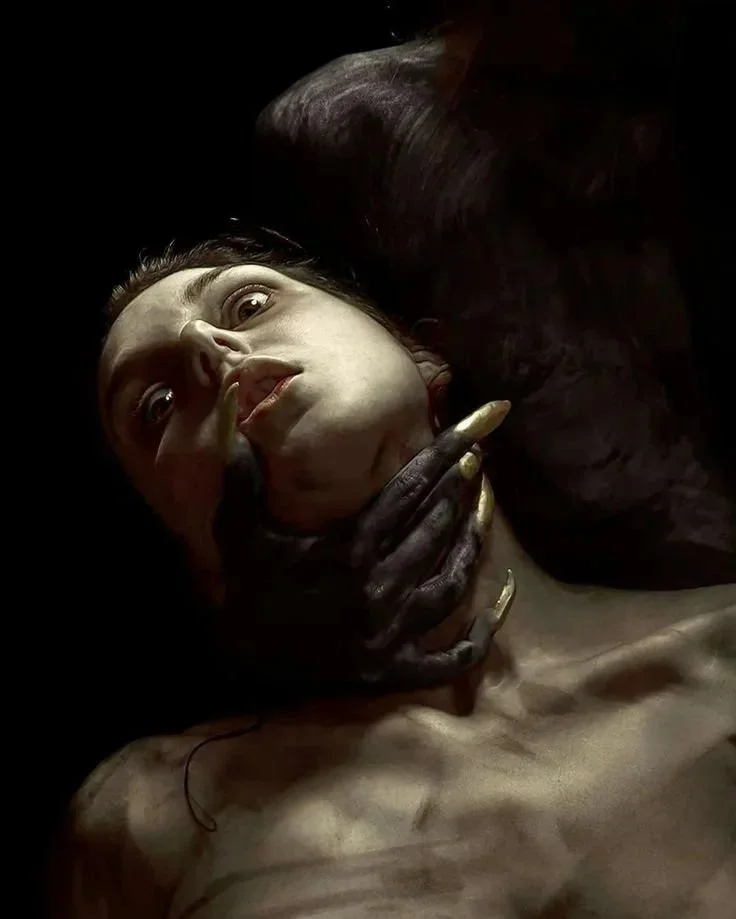
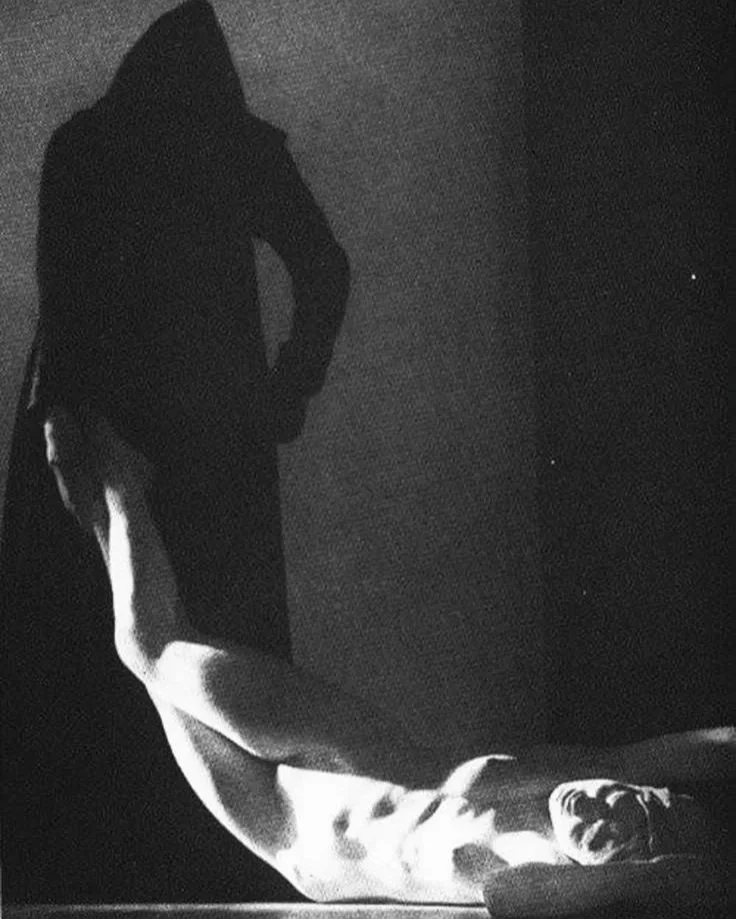
Daisy’s best friend, Abby, is in the same boat as Daisy; addicted, down on luck, and locked in a pattern of self-destruction. Unlike Daisy, who finds her strength through suffering, Abby loses to temptation and falls victim to The Beast and its promises, ultimately leading to her tragic fate. She is Daisy without determination and strength.
Scarlet

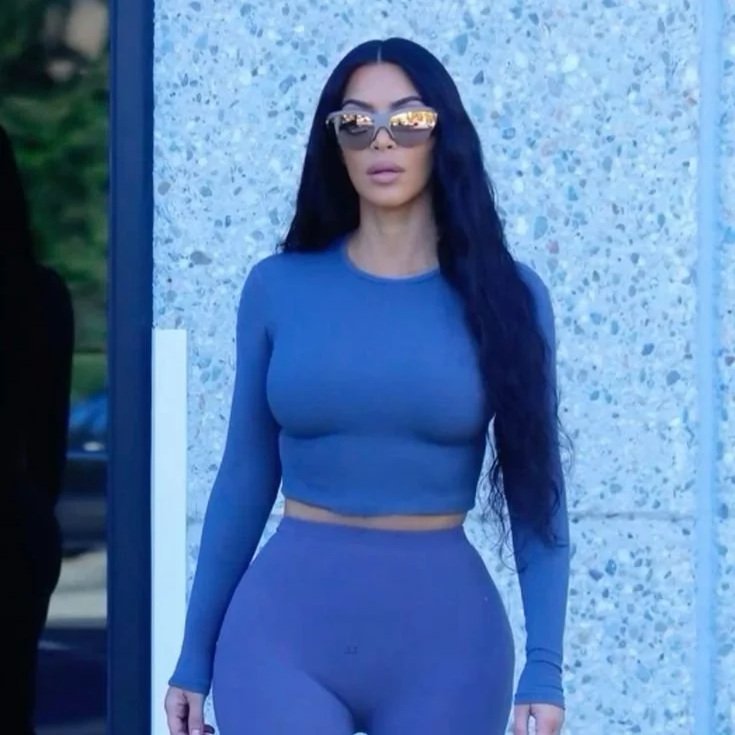
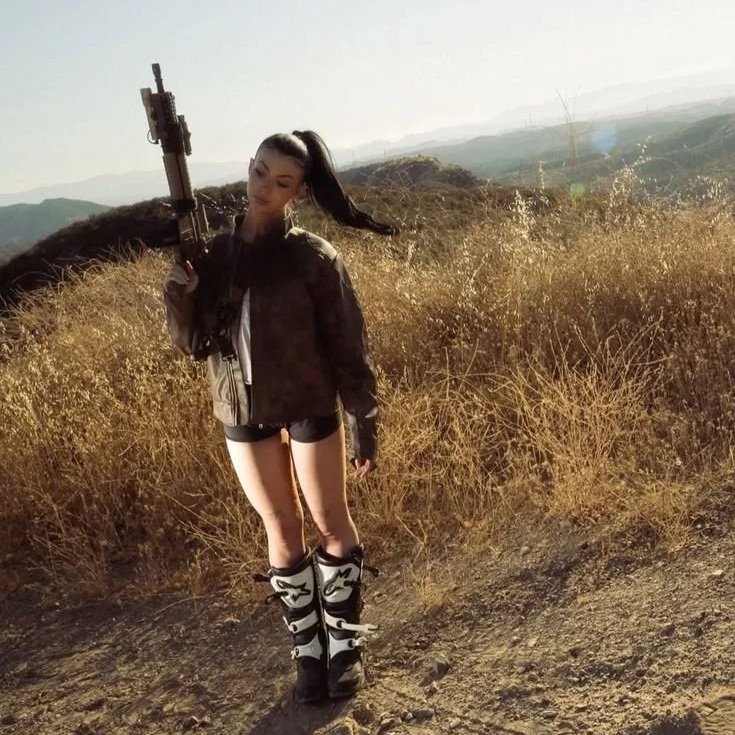
Scarlet is a cautionary tale of the dangers of temptation, pressures of social media, and how destructive the quest for perfection and acceptance can be. Scarlet is the mirror of Daisy, her thematic opposite. Scarlet has been shaped by the pressures of modern media and although she appears confident, it’s nothing but a protective shell for the emptiness and lack of true acceptance she’s experienced.
The Beast
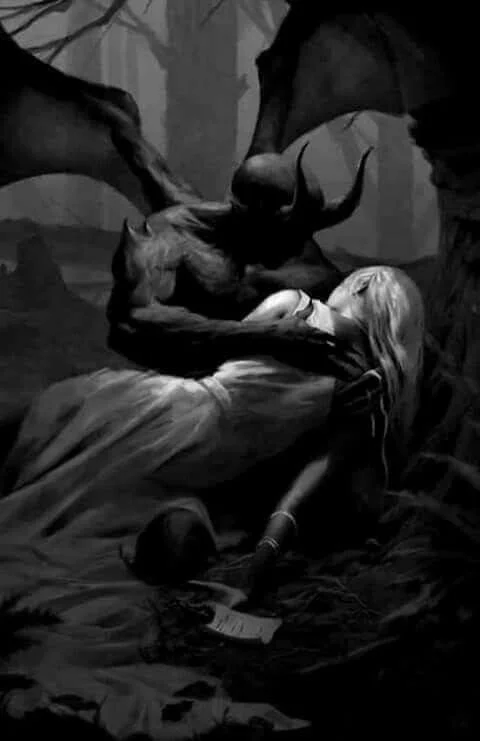
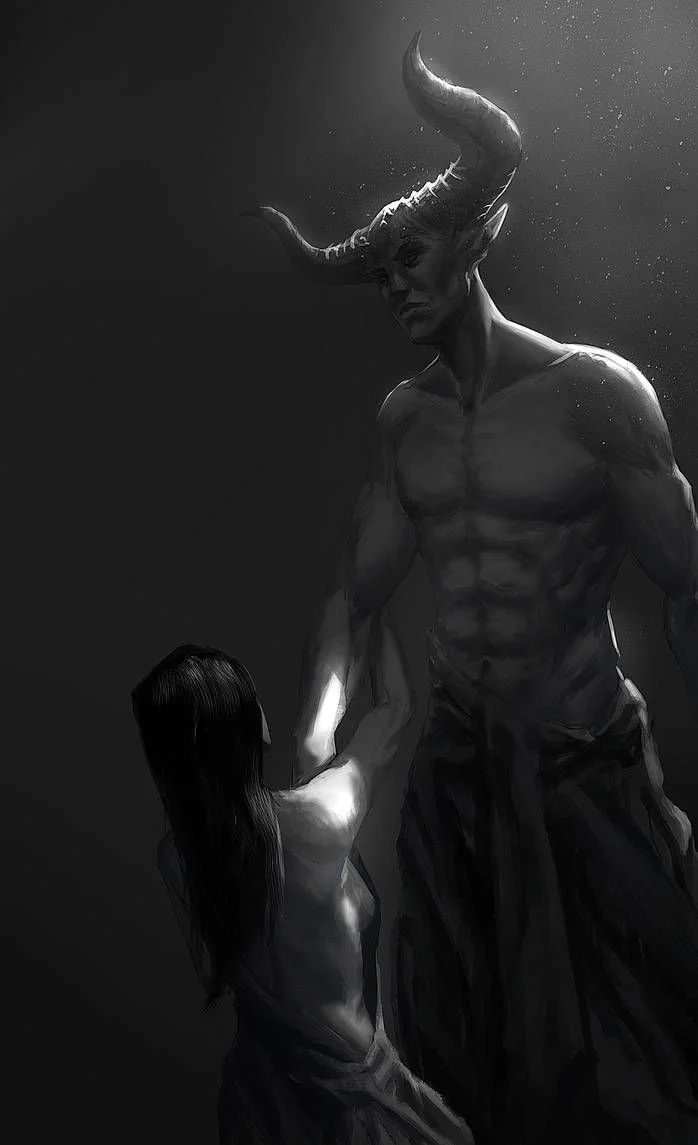
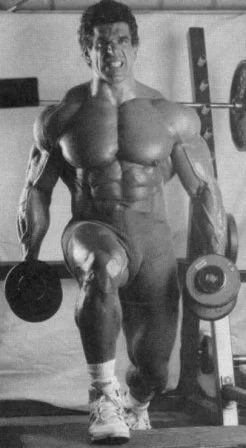
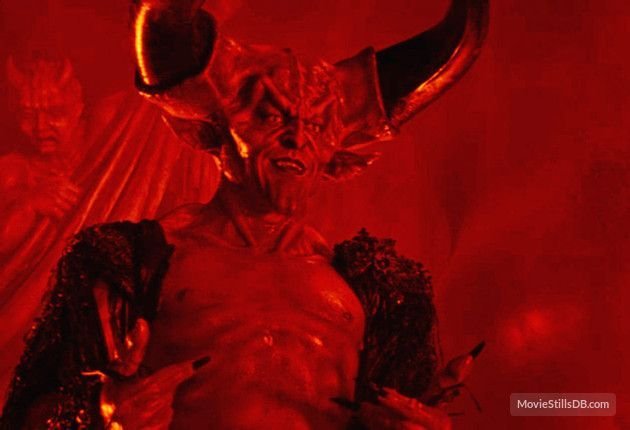
A hulk of a being. Muscles bulge and contort all over its body, it’s red skin a shining bright light that grows as it consumes souls. Horns sit atop of its head and no words escape its lips. It communicates through a means we cannot understand. It wants one thing, your love, your devotion, your eternal loyalty. Its power grows with every new deal it makes but take away its souls and The Beast reverts back to the form of a child, spoiled and whining, and powerless unless it can find a new victim.
Stevie Reading
Head of the Reading crime family. Oldest son of Charlie Reading and brother to Jimmy Reading. A confident leader that speaks like he always has an audience and takes pleasure in the power he’s inherited.
Consideration
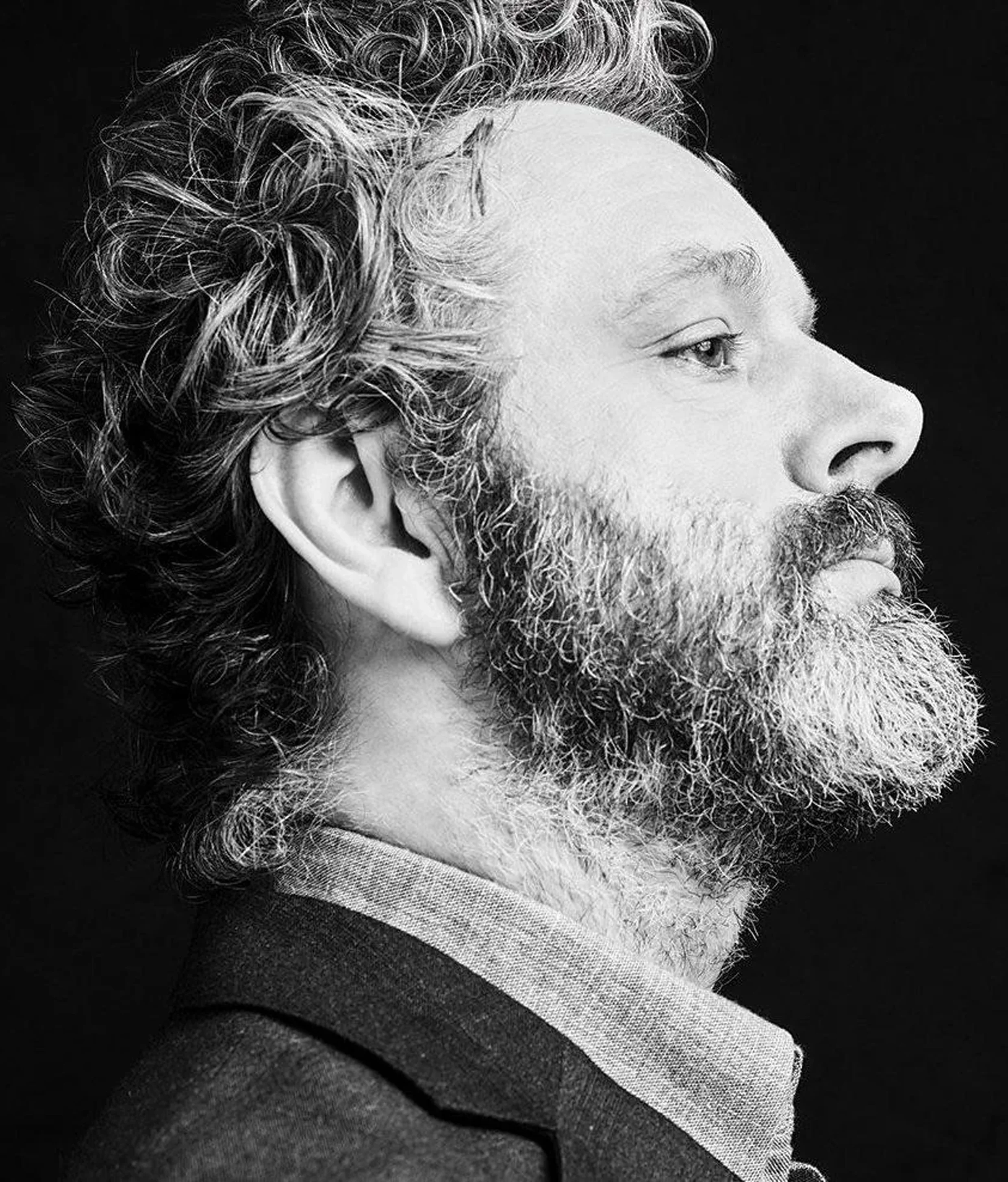
Michael Sheen
Location
South Wales has a number of suitable locations for filming and is an area rarely seen in contemporary cinema.
Teta Steel, Port Talbot
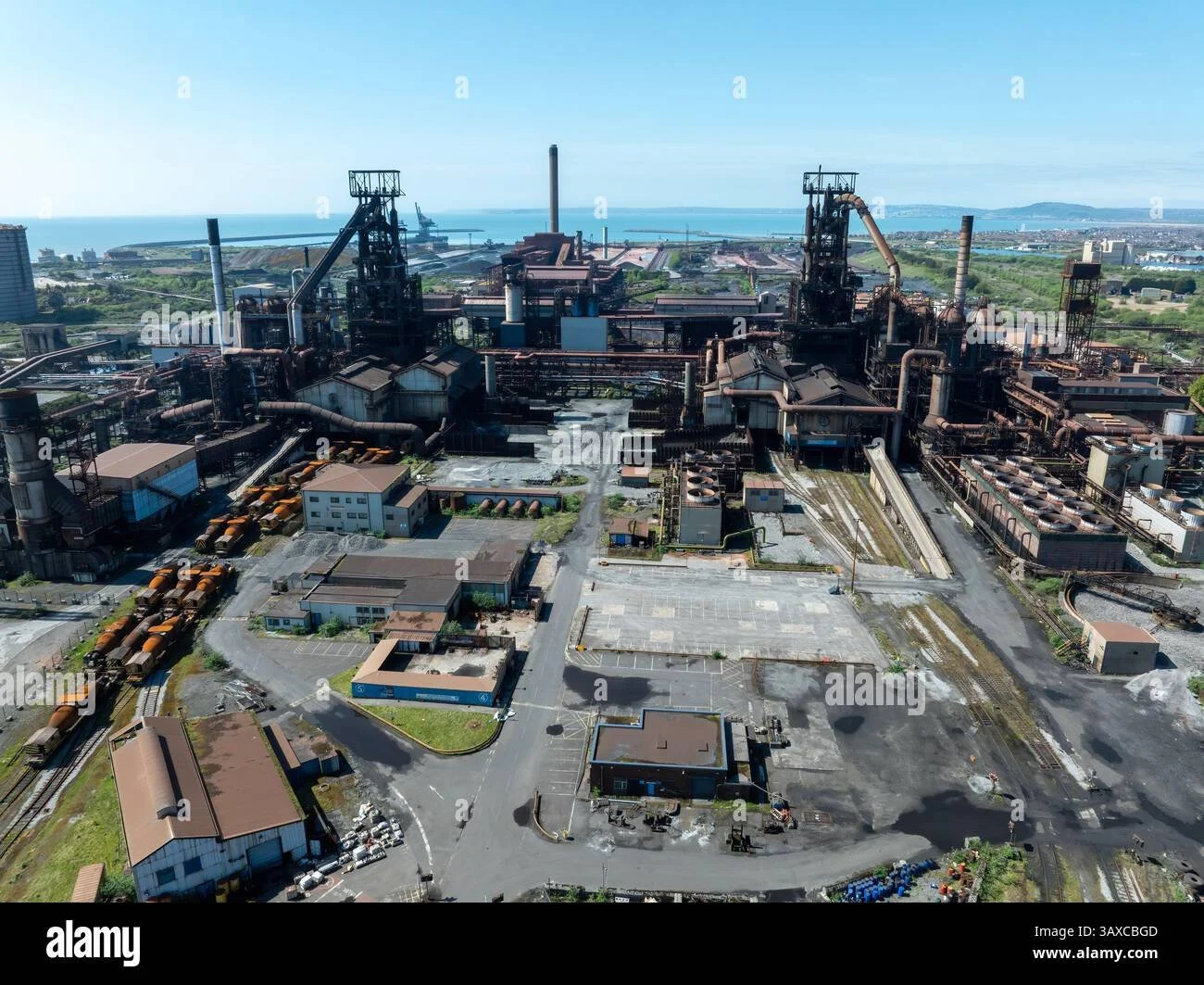
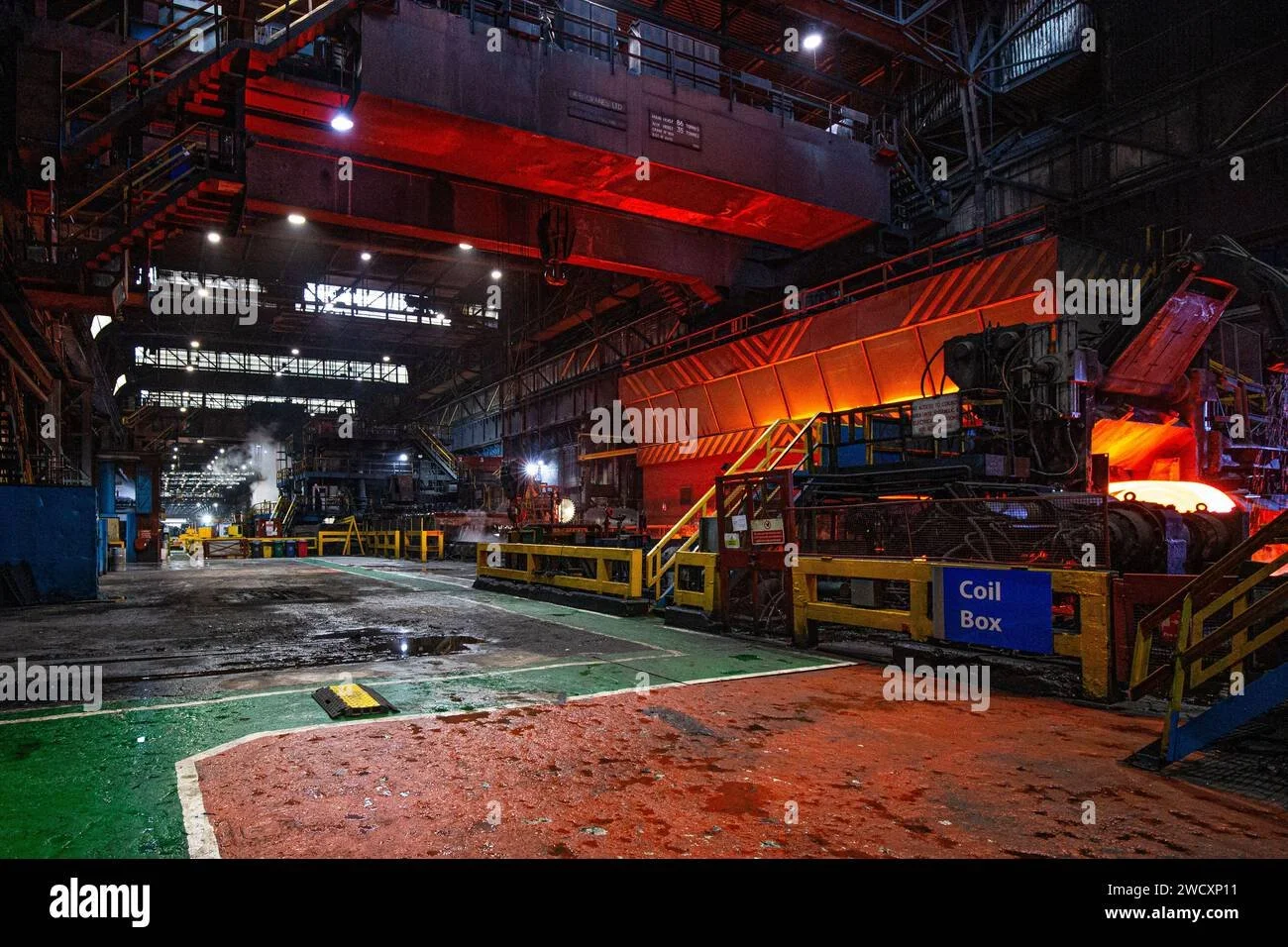

The out of commission Teta Steel in Port Talbot is without a doubt, the perfect location for filming The Beast Inside. Teta offers incredible production value, especially regarding the outdoor settings. The close proximity to Cardiff and Swansea also gives the production access to a large pool of cast and crew.
Whitchurch Hospital, Cardiff
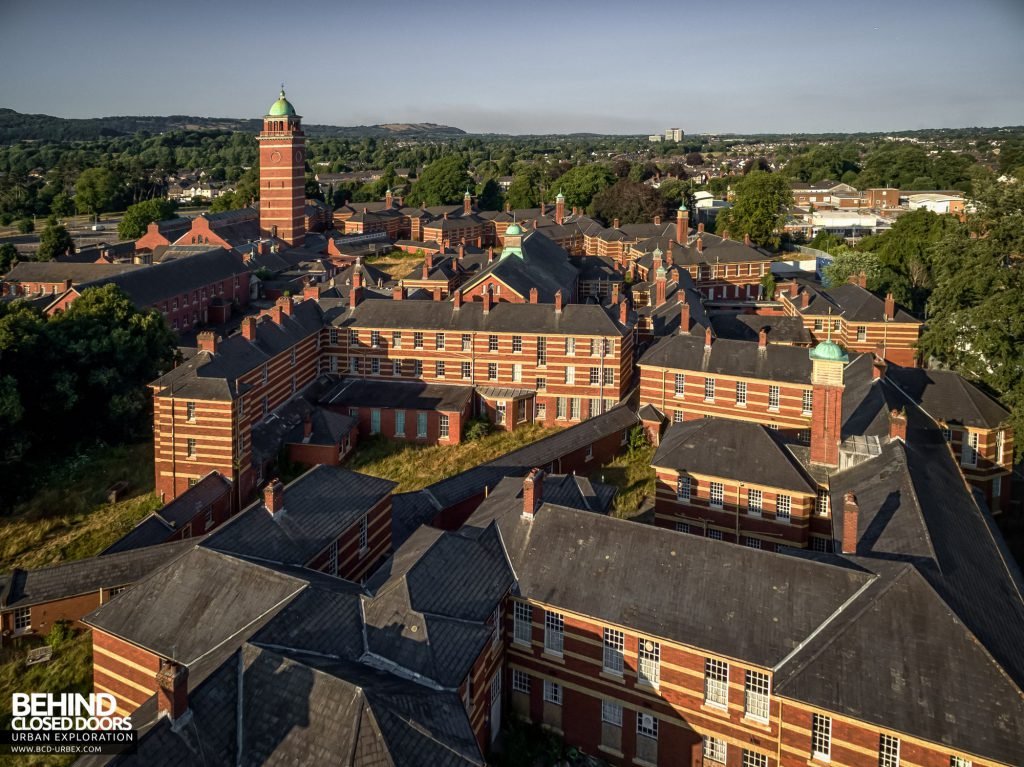
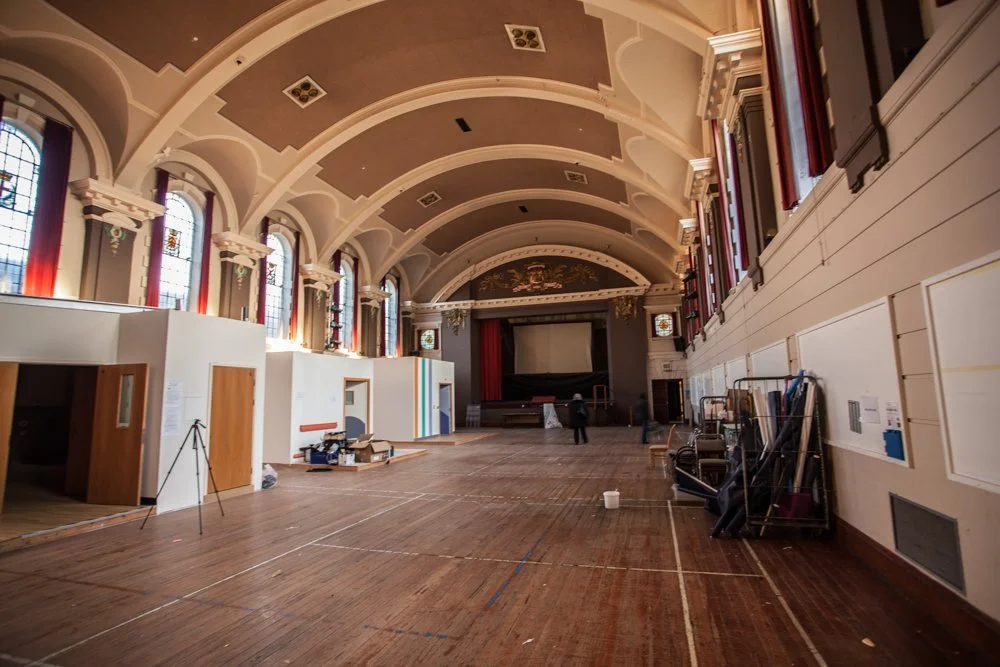
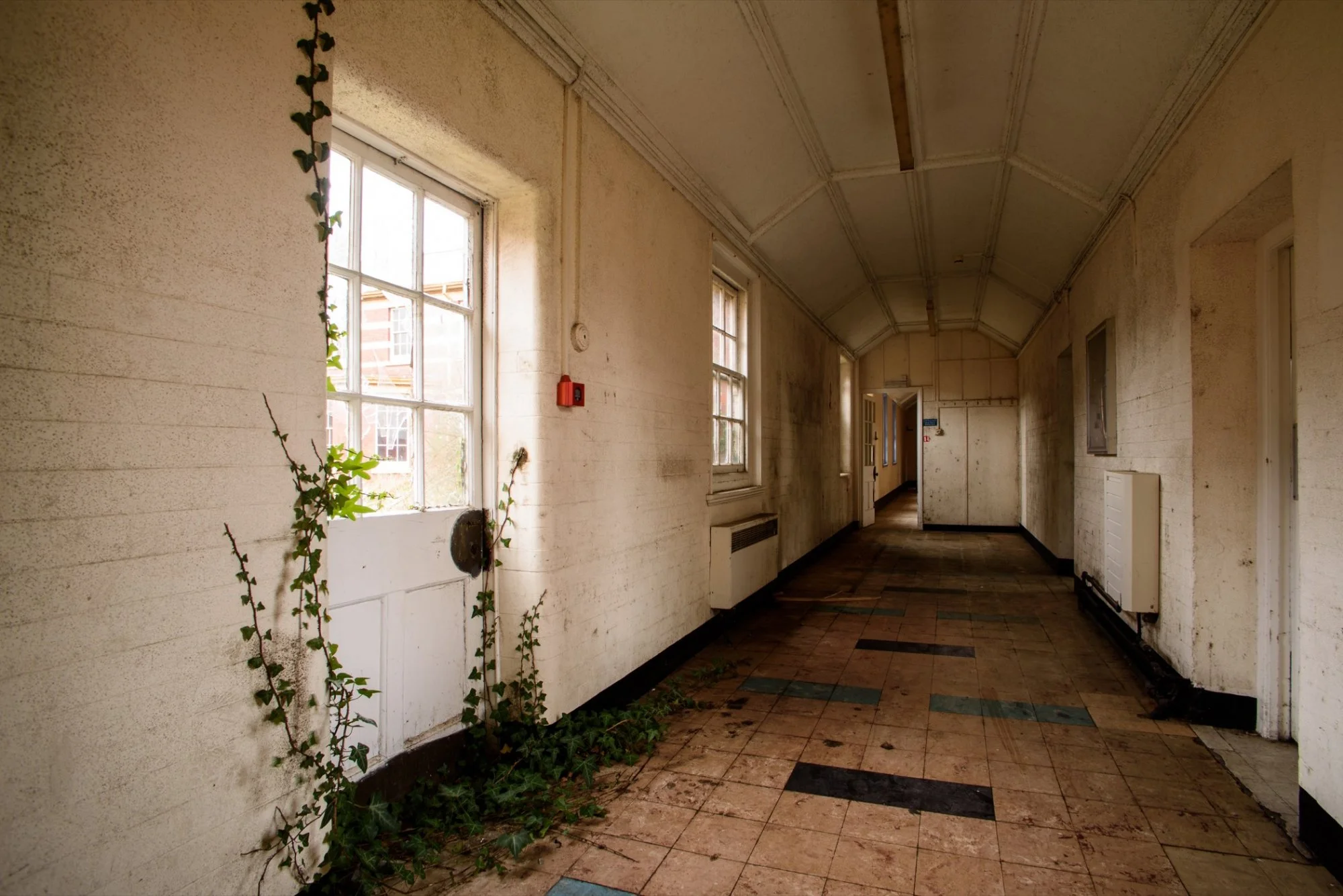
The hospital offers a wide variety of hallways and rooms to suite the needs of the script. The many areas could add a lot of visual variety to the script. It could also be the home for cast and crew during filming, massively reducing production costs. A possible drawback is that the old hospital aesthetic could be a little overused in horror, however, with Rory and Willow at the helm this won’t hold the film back.
Production
The Beast Inside is a straightforward production taking place is one location, aside from the opening scene. The simplicity of the script allows for principal photography to be completed to high standards with a minimal capable crew and can be easily adapted to a multitude of locations.
The central character of Daisy takes the majority of the screen time, only interacting with other characters occasionally. Although this puts a lot of pressure on the actress in the roll of Daisy, it also makes production simpler while offering a substantial opportunity to any potential new or upcoming star to sink their teeth into this appealing and transformative role.
Thanks to the simplicity of the script; its location, its cast etc, it’s possible to shoot in sequence, saving time and effort on continuity if needed.
Market Position
Horror has maintained its status as one of the strongest genres globally with a core demographic being females aged 18 to 35. The Beast inside is precisely targeted to this audience in its themes and execution.
The Beast inside sits in the elevated horror/cult horror/monster movie, giving it a wide audience reach. It easily sits alongside A24 and NEON productions with its art house, psychological, and heavily stylistic elements.
Supernatural narratives are popular with younger audiences, while interest in creature features and monster movies has seen a resurgence in recent times thanks to films like Barbarian and Longlegs. The Beast inside is a hybrid movie that ticks many boxes.
All in all The Beast Inside positions itself as appealing to mainstream and cult cinema fans alike while maintaining style and substance in equal measures. It’s an ideal candidate for theatrical release as much as it is for streaming services.
ROI Factors
Global horror market currently measured at approx. £7.5bn
Low to mid budget horror shows high return potential.
Horror has strong foreign market sales.
Uk & Wales tax relief opportunities have recently been updated to be even more beneficial for productions.
The Beast Inside lends itself well to viral, social media marketing campaigns.
Comps
While there are no direct comparables to The Beast Inside in contemporary cinema, there are films that share some stylistic and thematic elements that will also share an audience with The Beast inside.
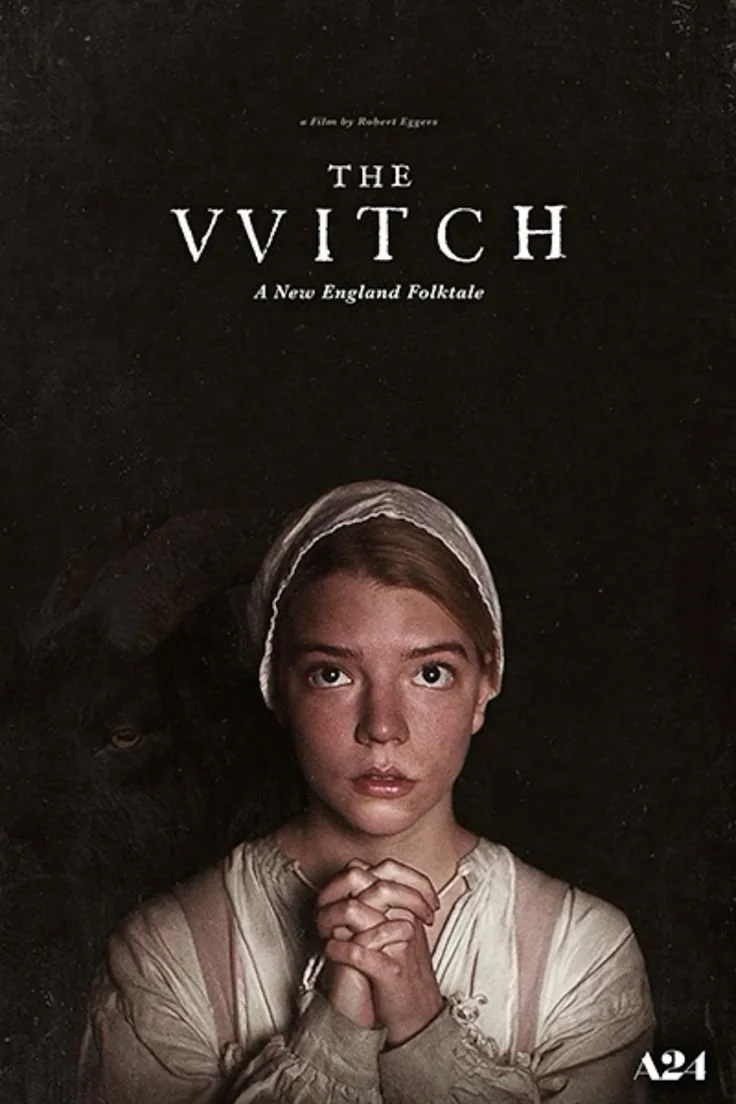
The Vvitch
A24, 2015.
Dir. Robert Eggers
Budget $4m
World Gross $40m
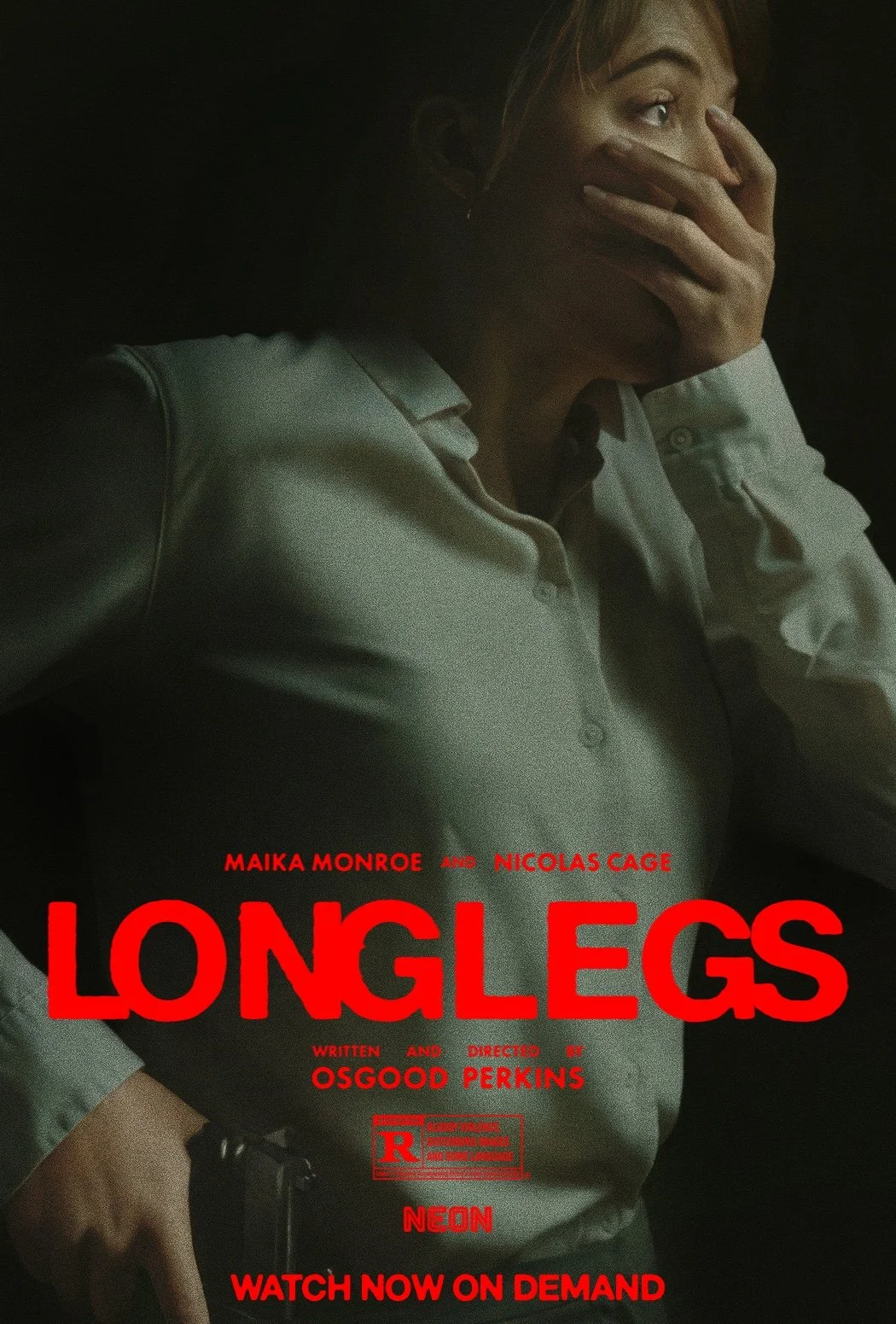
Longlegs
Neon, 2024.
Dir. Osgood Perkins.
Budget $9m
World Gross $128m
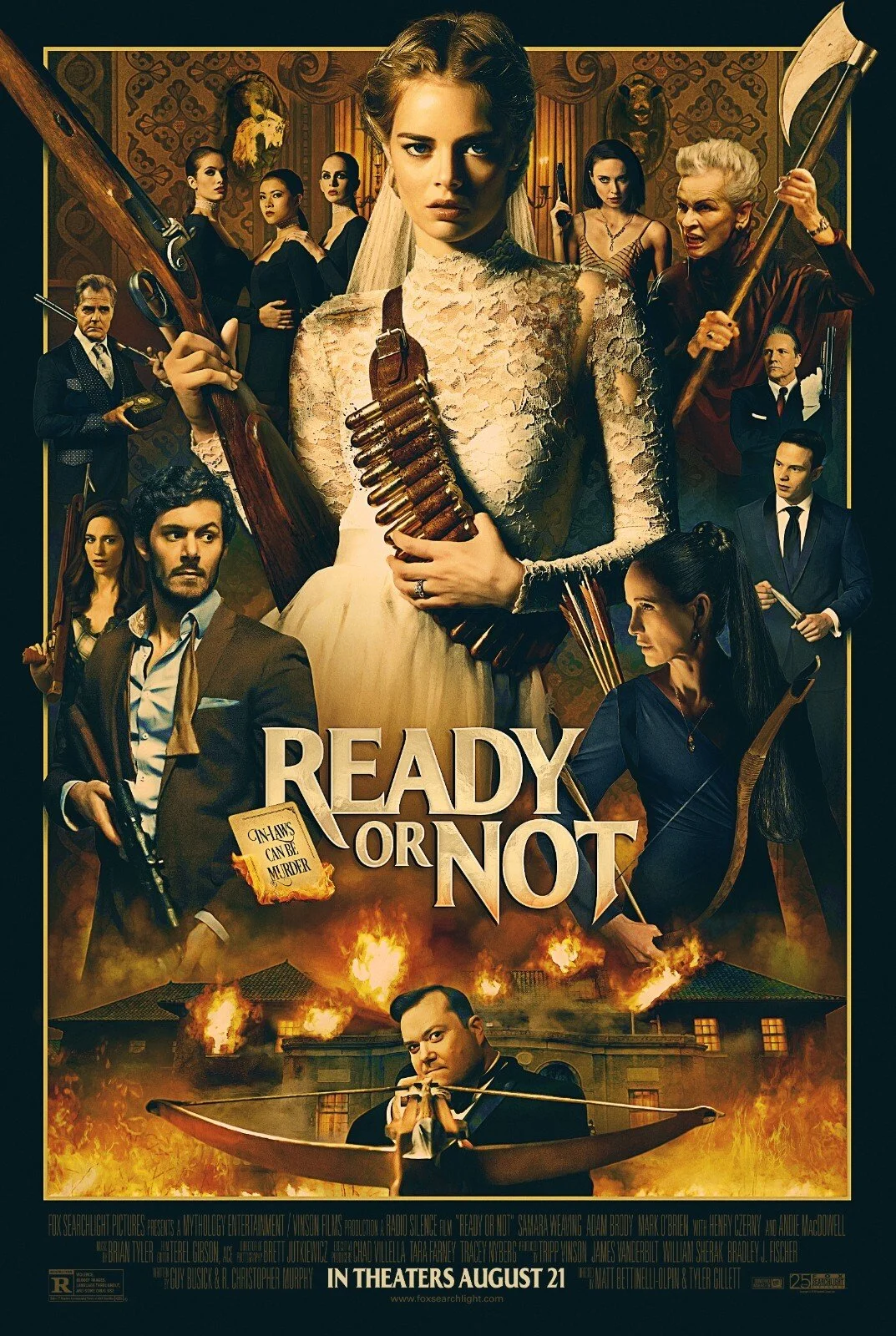
Ready Or Not
Fox Searchlight Pictures, 2019.
Dir. Matt Bettinelli-Olpin & Tyler Gillett.
Budget $6m
World Gross $57m
Final Summary
The Beast Inside is a psychological, supernatural horror written and envisioned with an important and poignant thematic concept. It’s a genre piece with a bold and expressive take on horror. It has spectacle, it has emotion, it has heaps of style and isn’t ashamed to confront the audience and the genre.
The Beast Inside has a strong visual identity that will resonate with audiences globally and has a huge potential for financial return.
The Beast Inside will linger, it’ll cut deep, it’ll become a cult classic and may even reignite Britain’s historic roots in horror cinema, putting British horror back on the map.
Mood Board